Tuesday, August 9, 2016

Peruvian Amazon part 5 - piranha river picnic


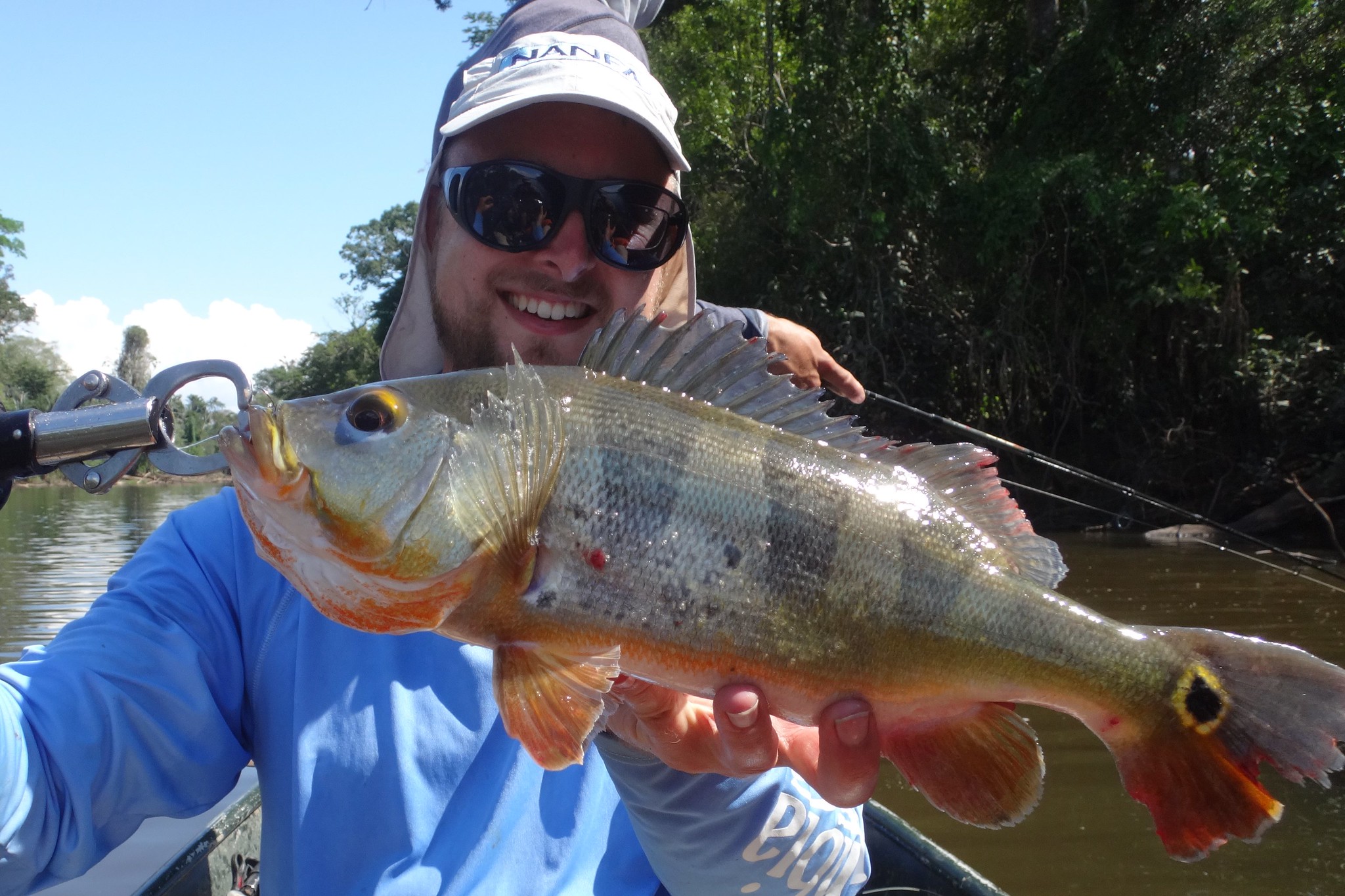
Rhombeus Piranha (Serrasalmus rhombeus)


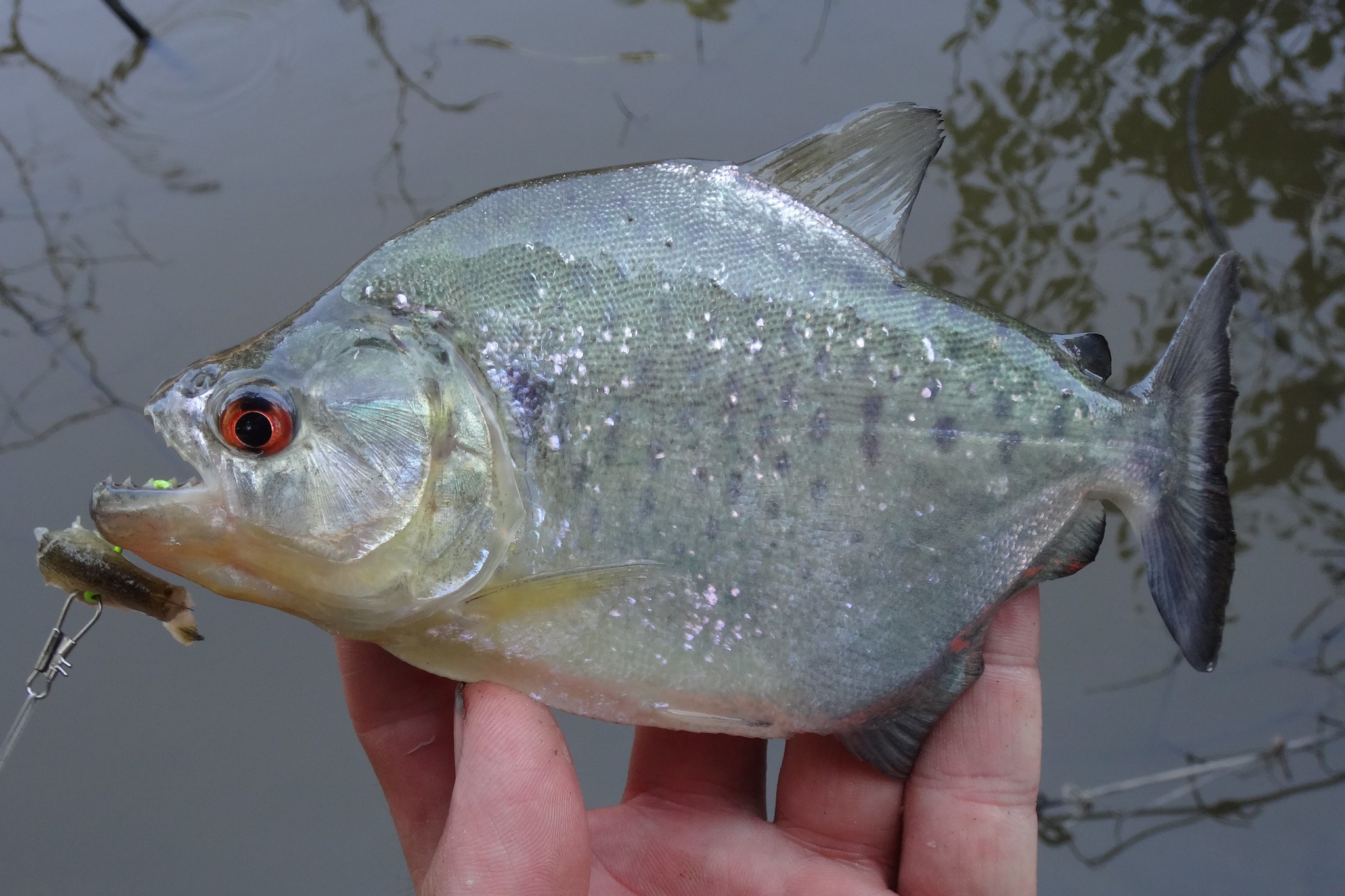
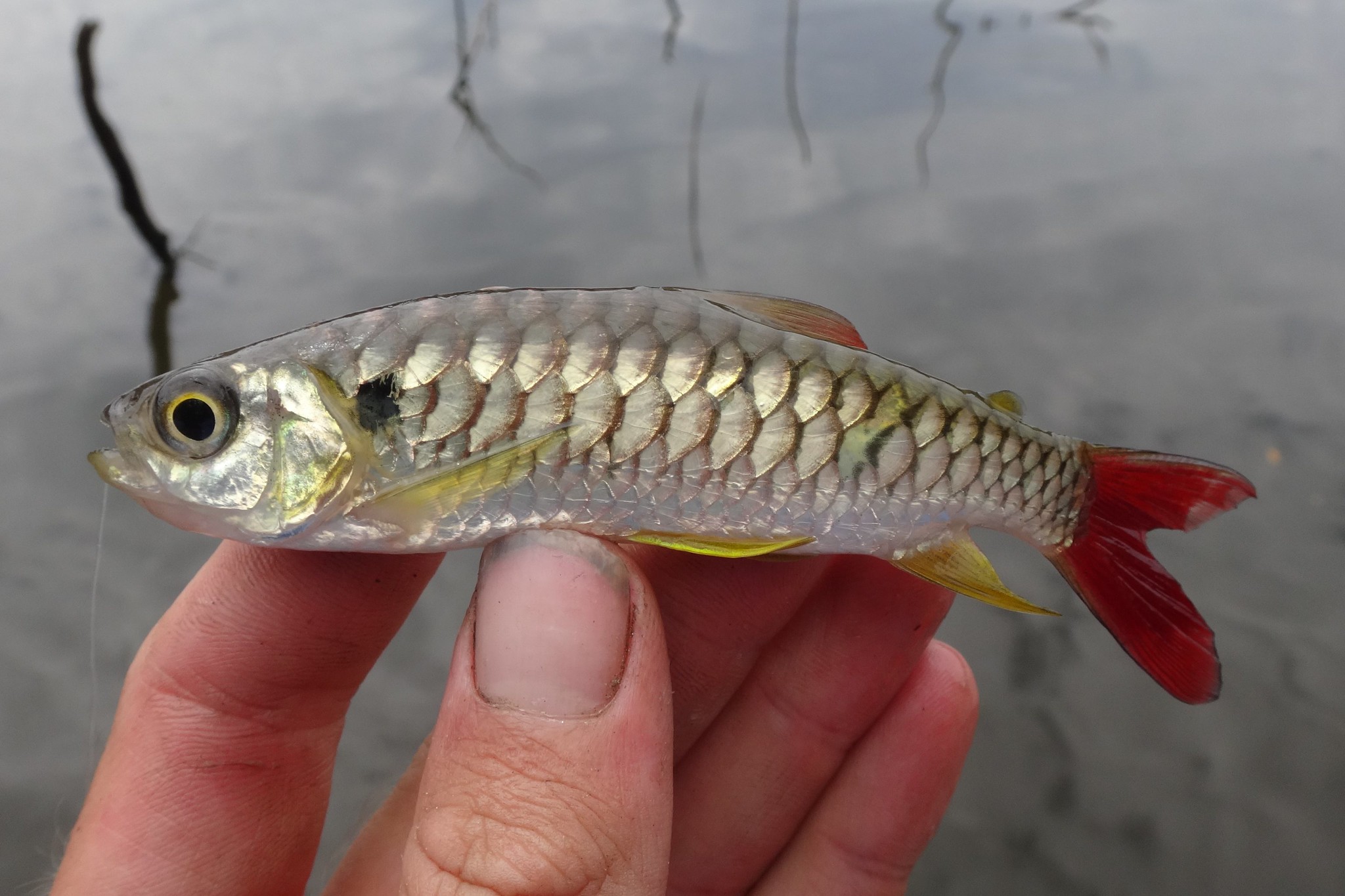
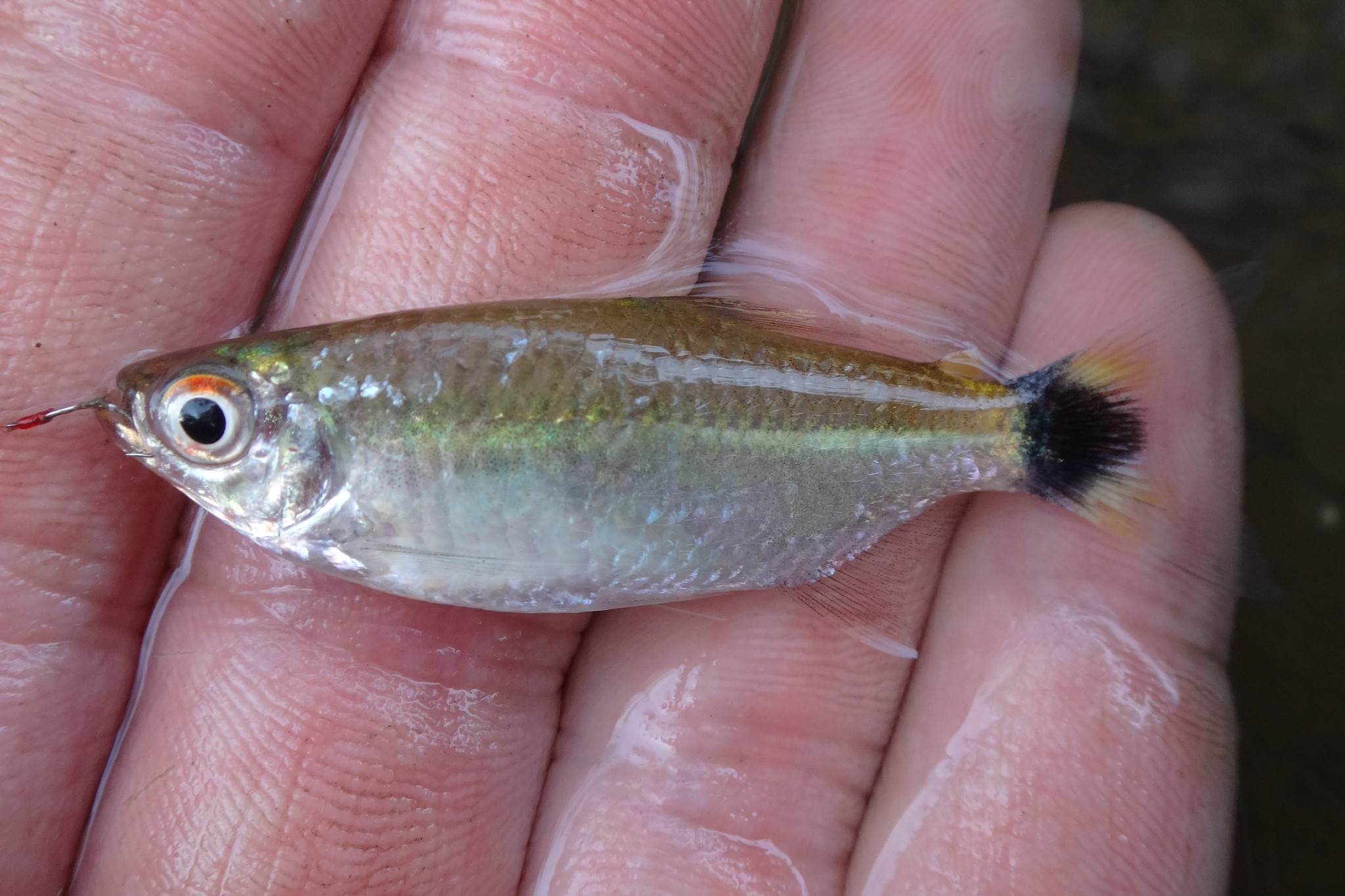
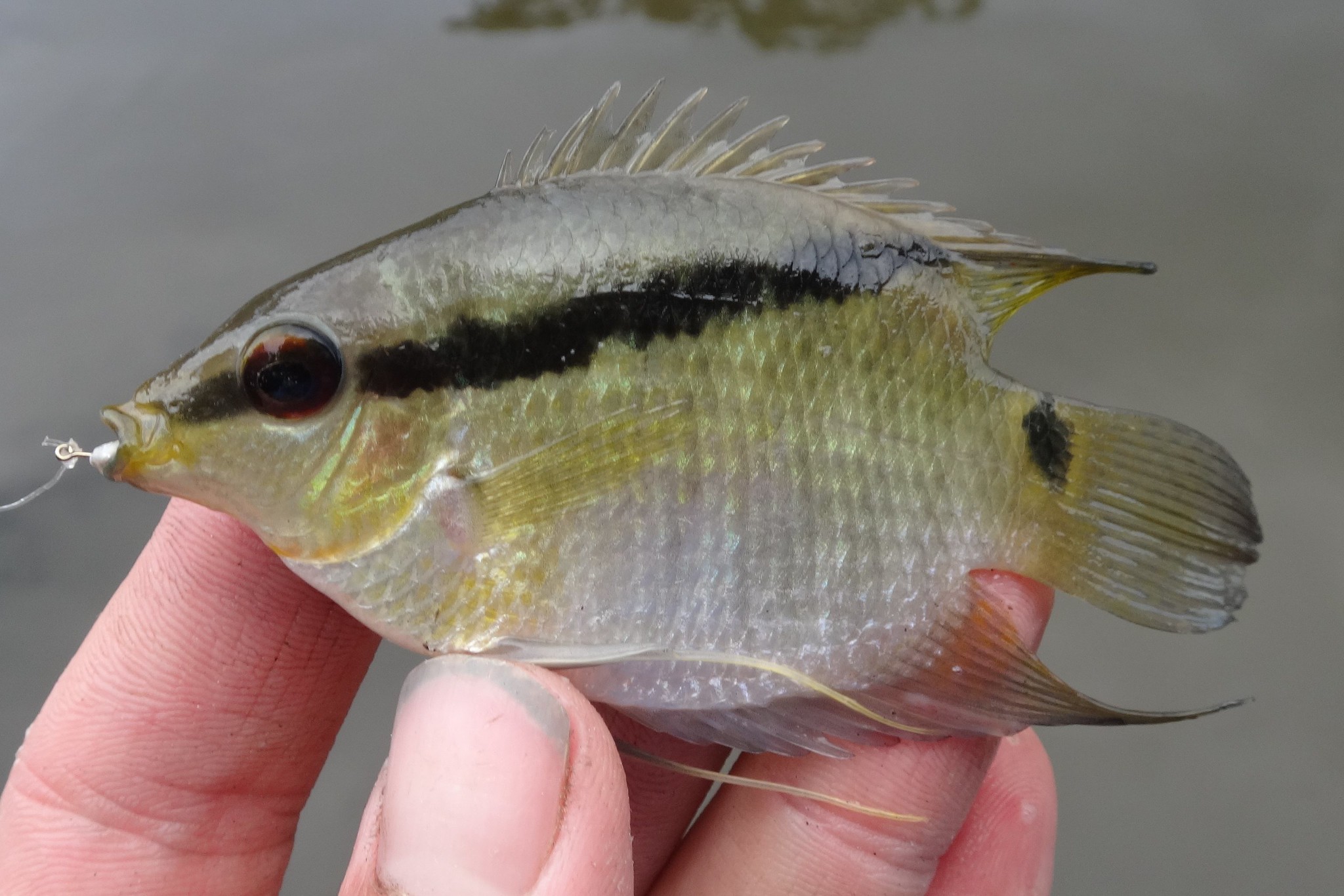
Sanchez Piranha (Serrasalmus sanchezi)


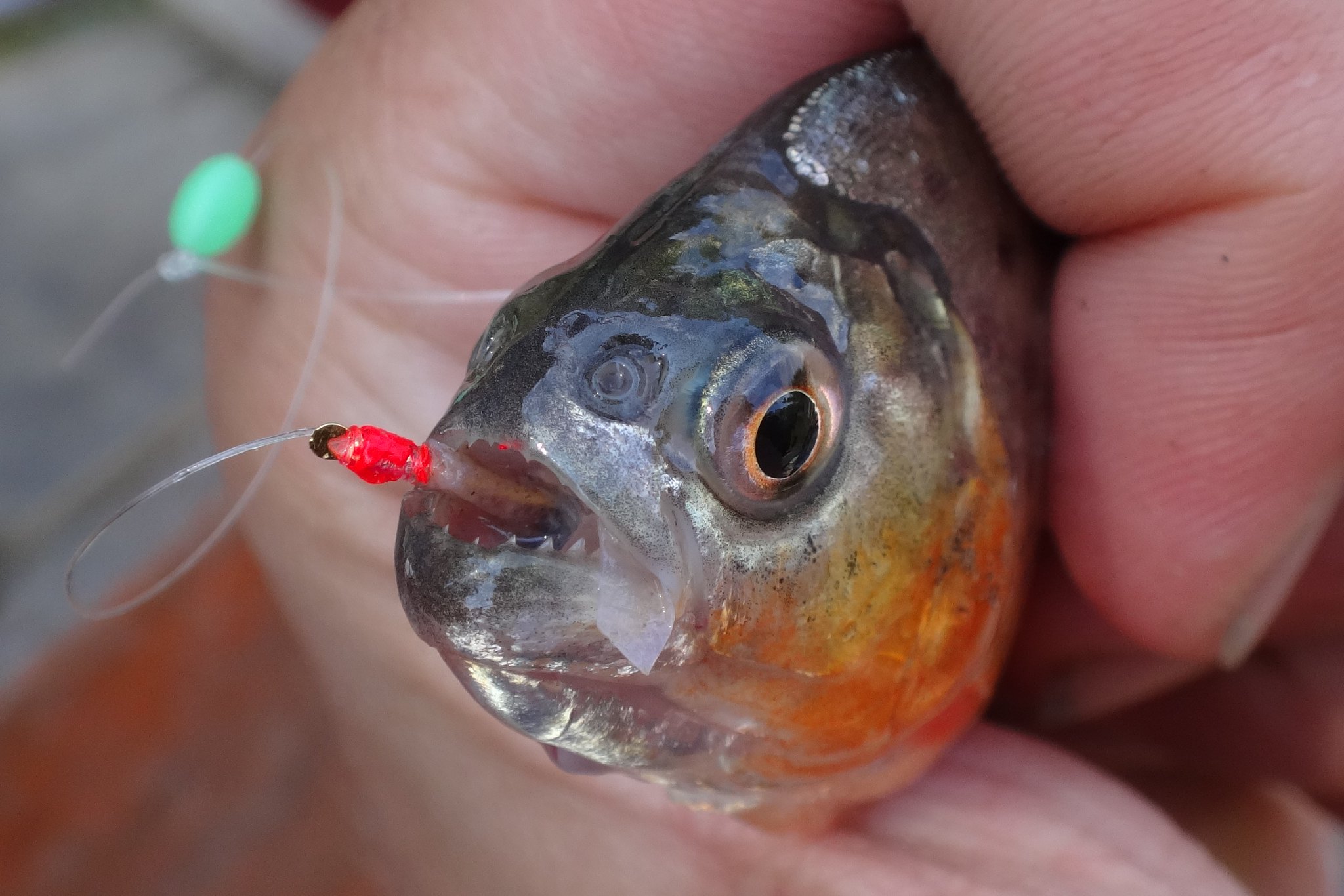
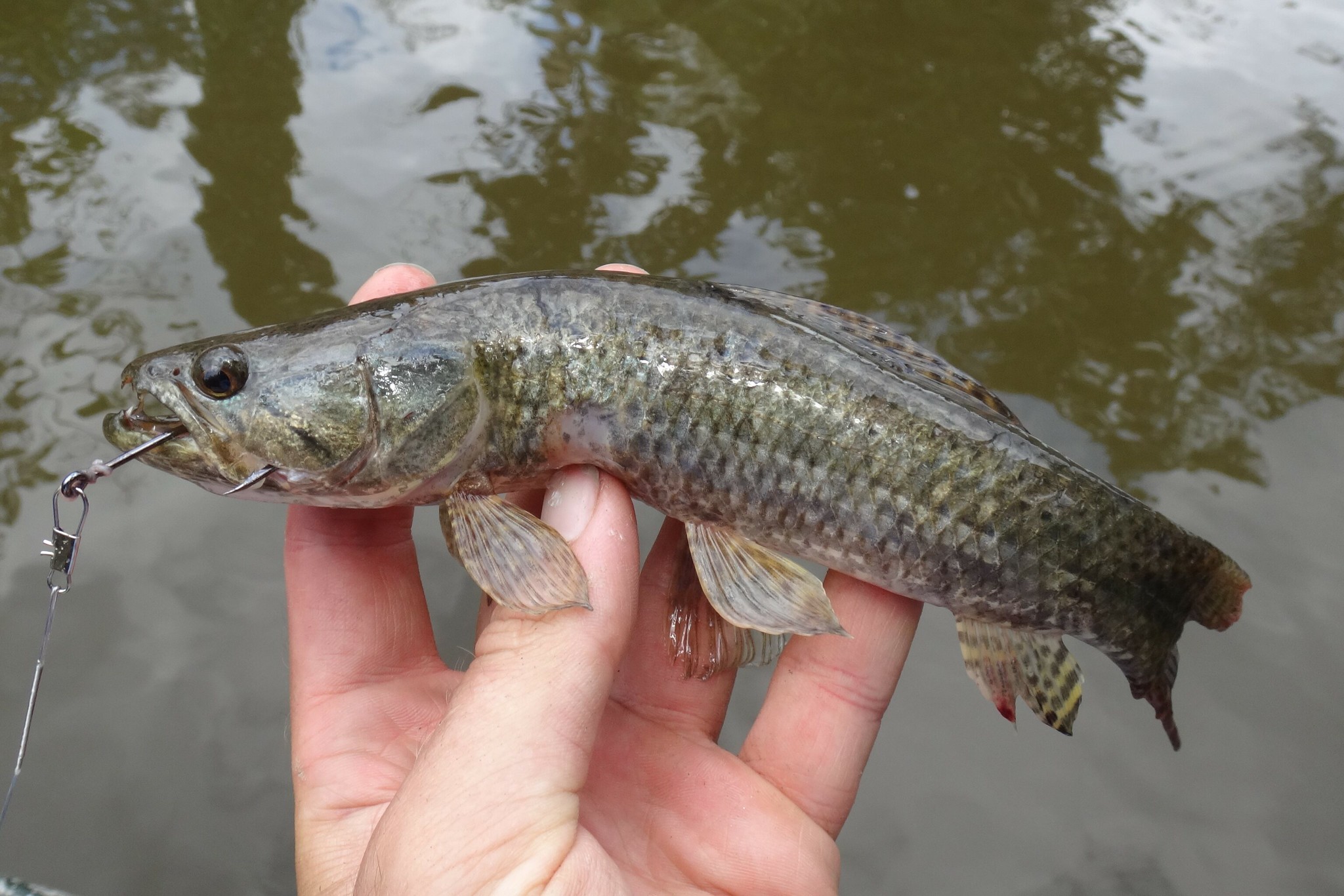
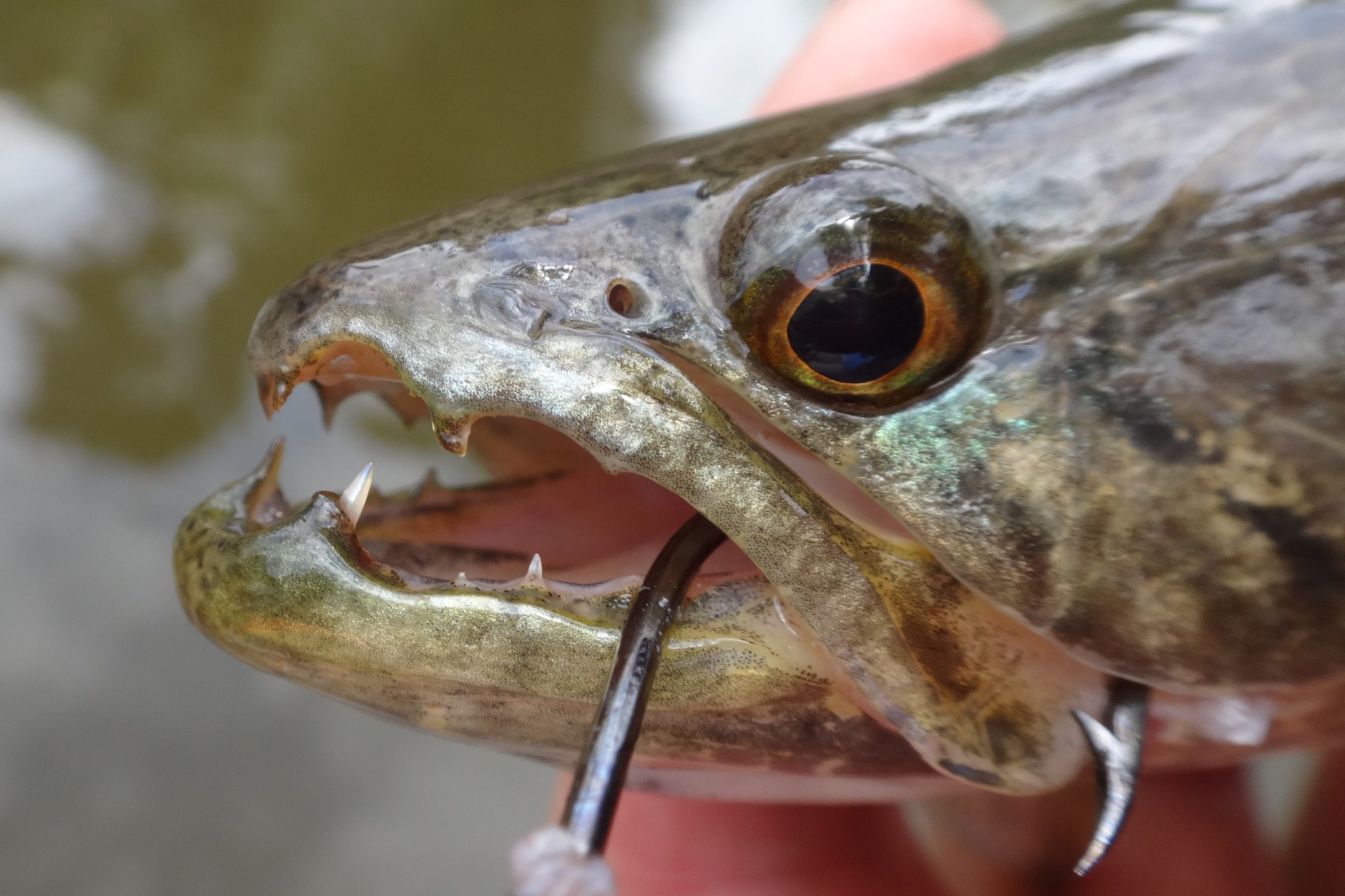
Compressus Piranha (Serrasalmus compressus) - new hook & line species #380


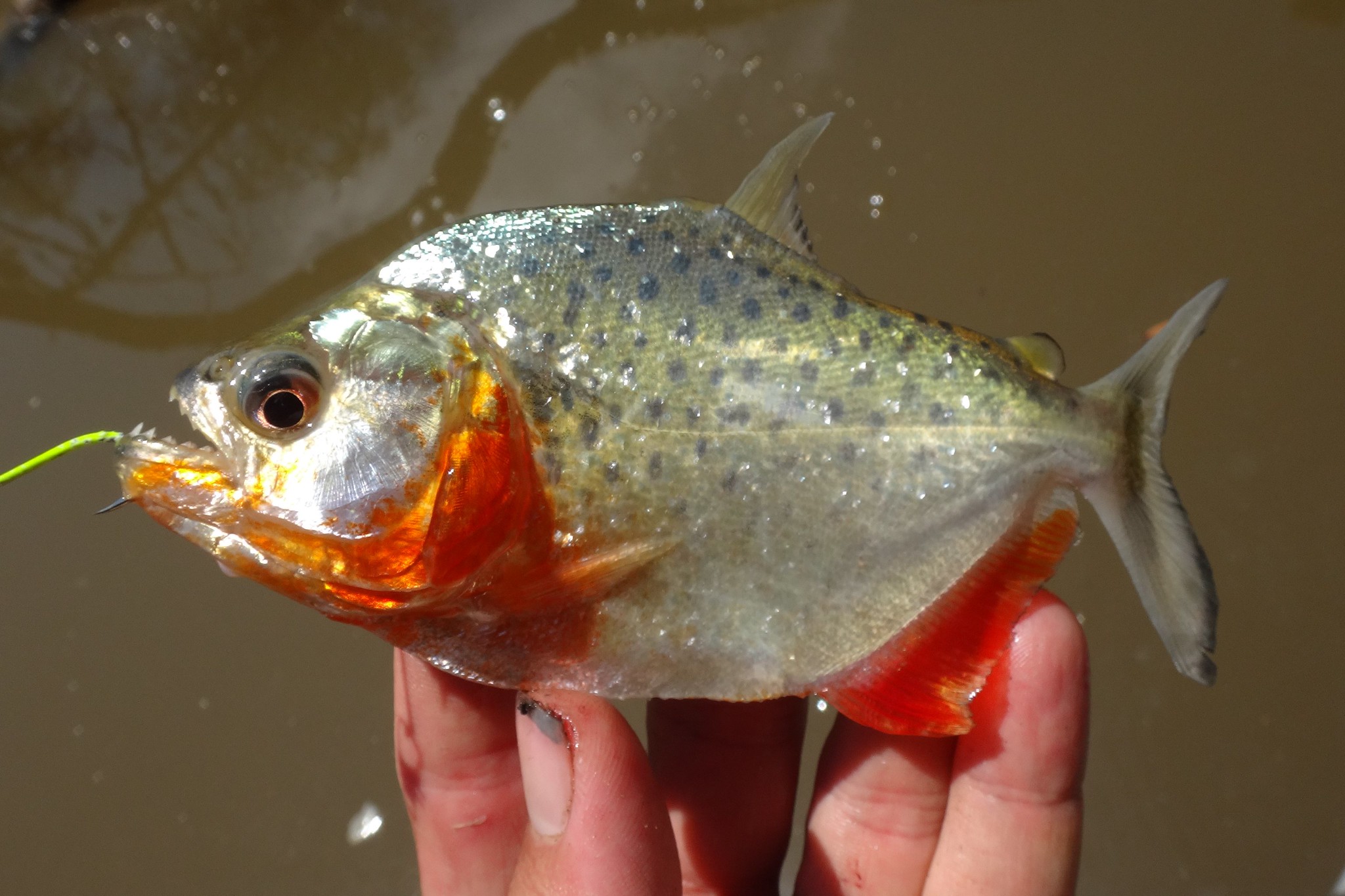
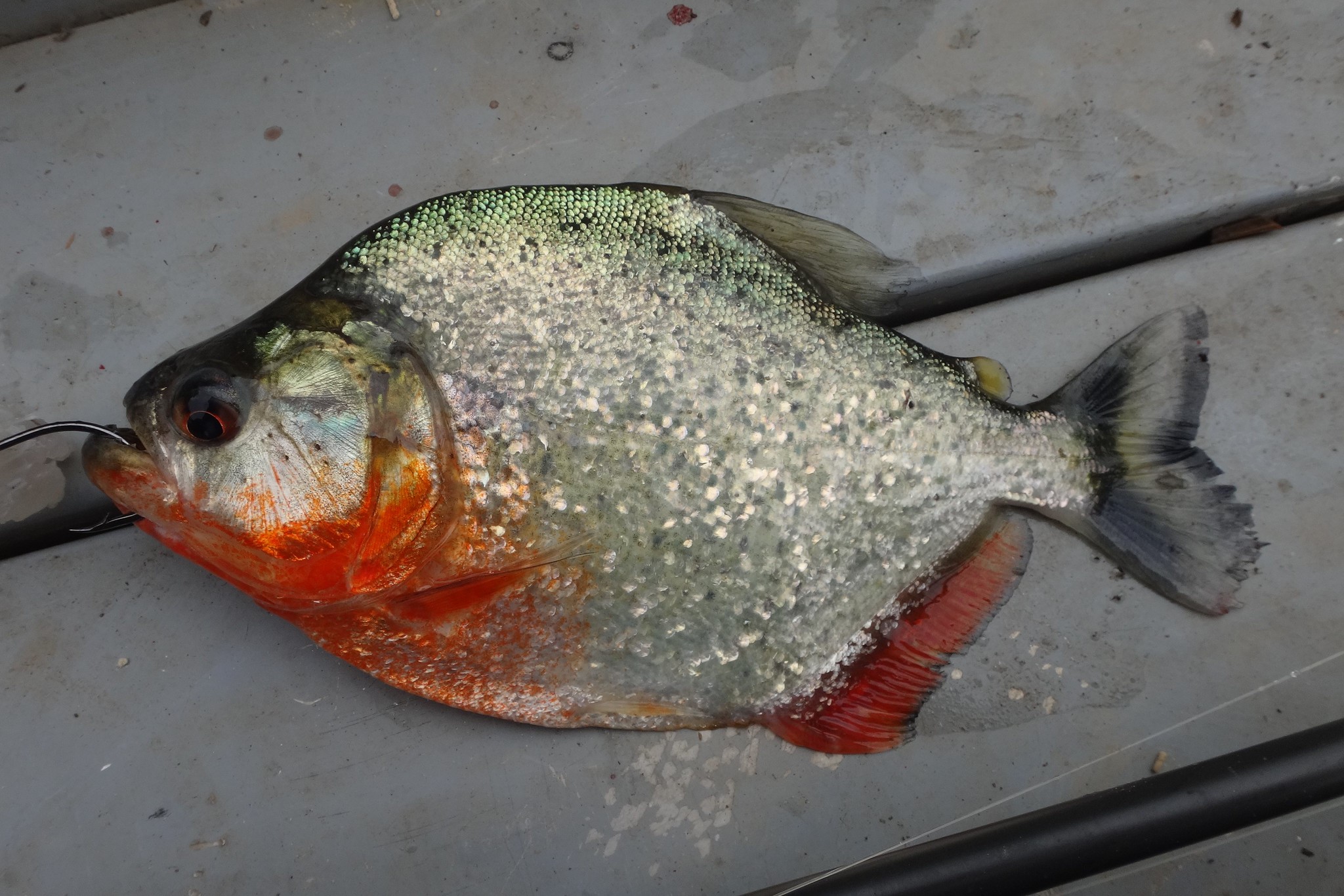
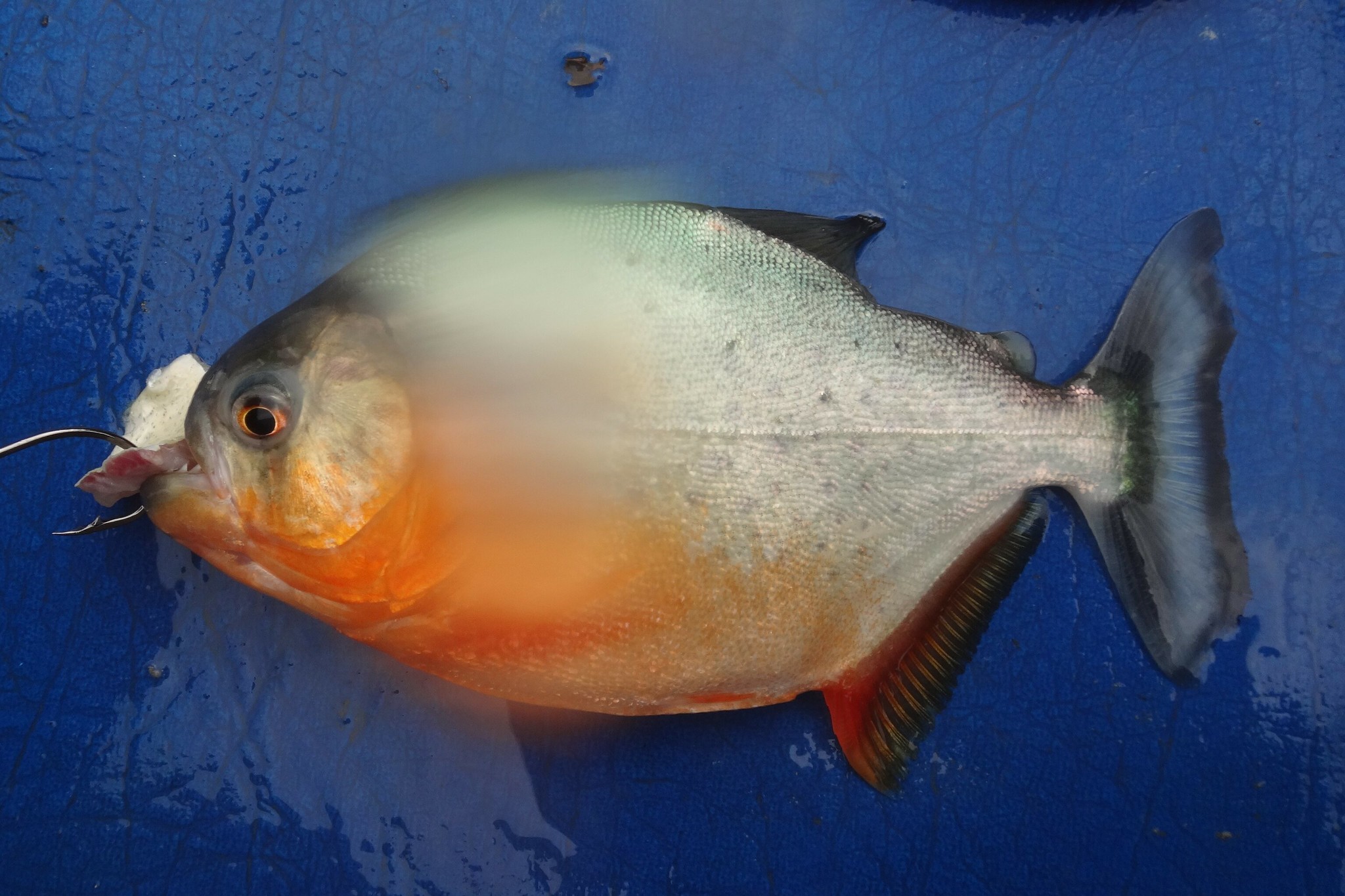
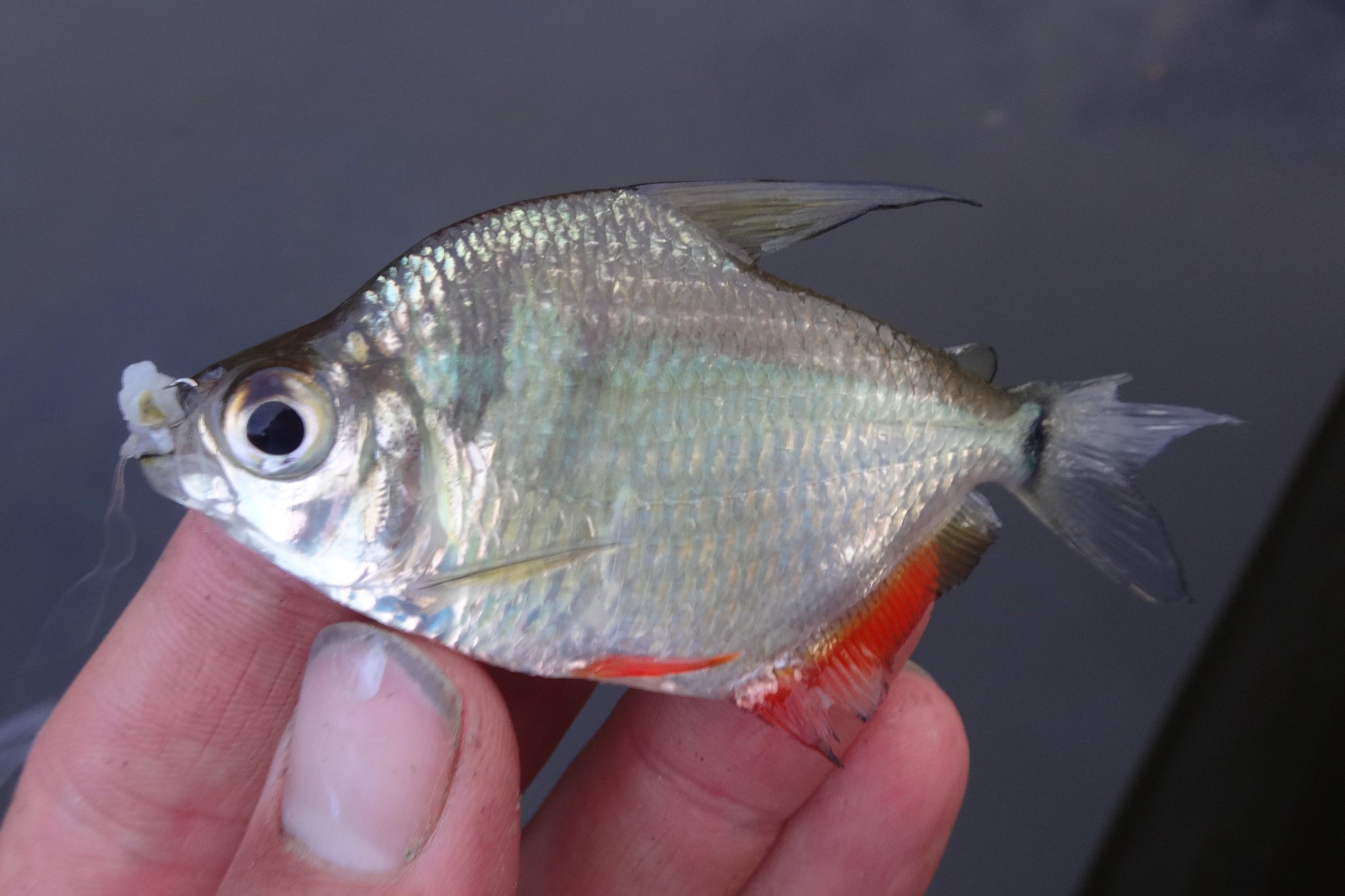
Red-Bellied Piranha (Pygocentrus nattereri)


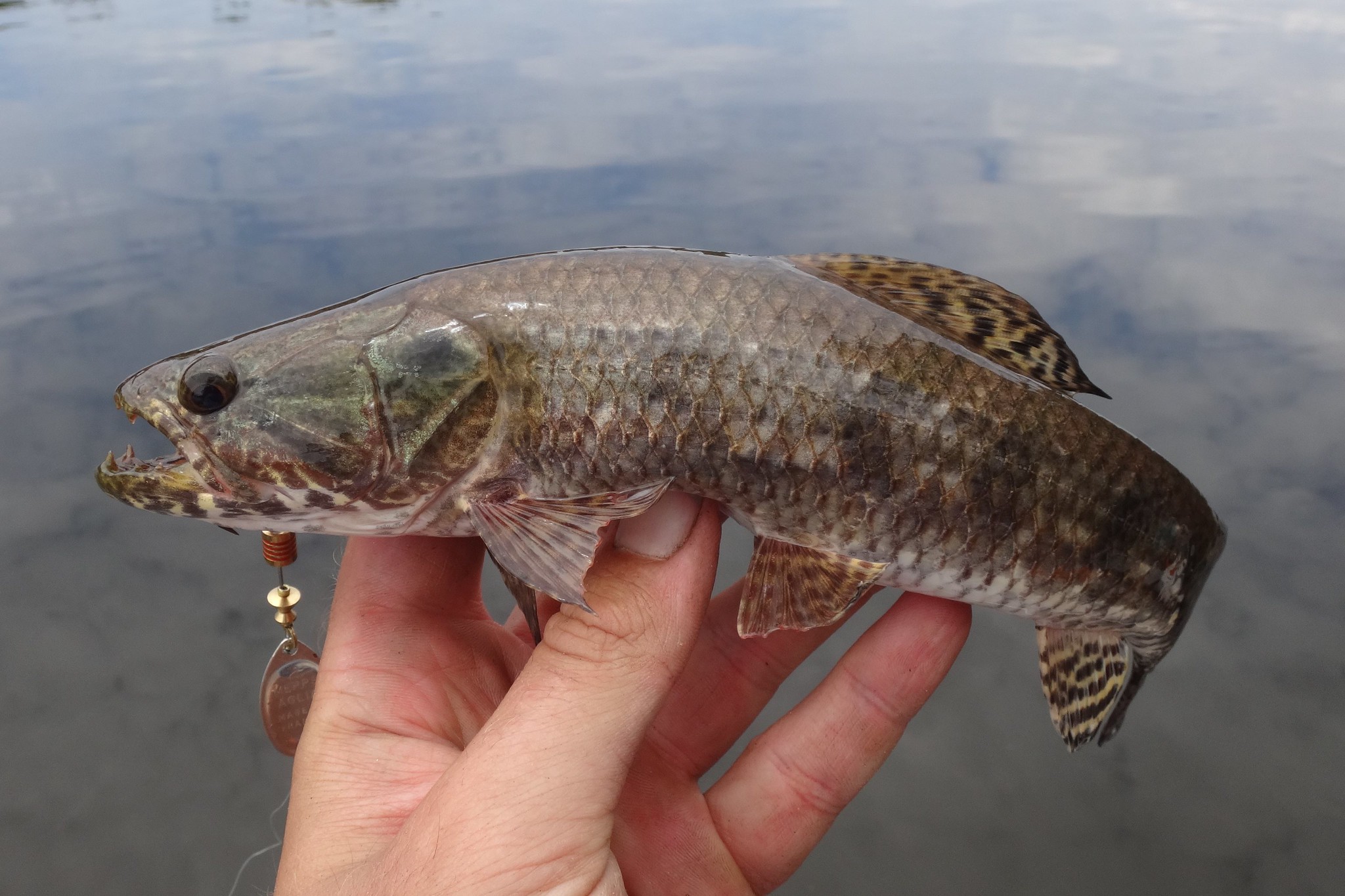
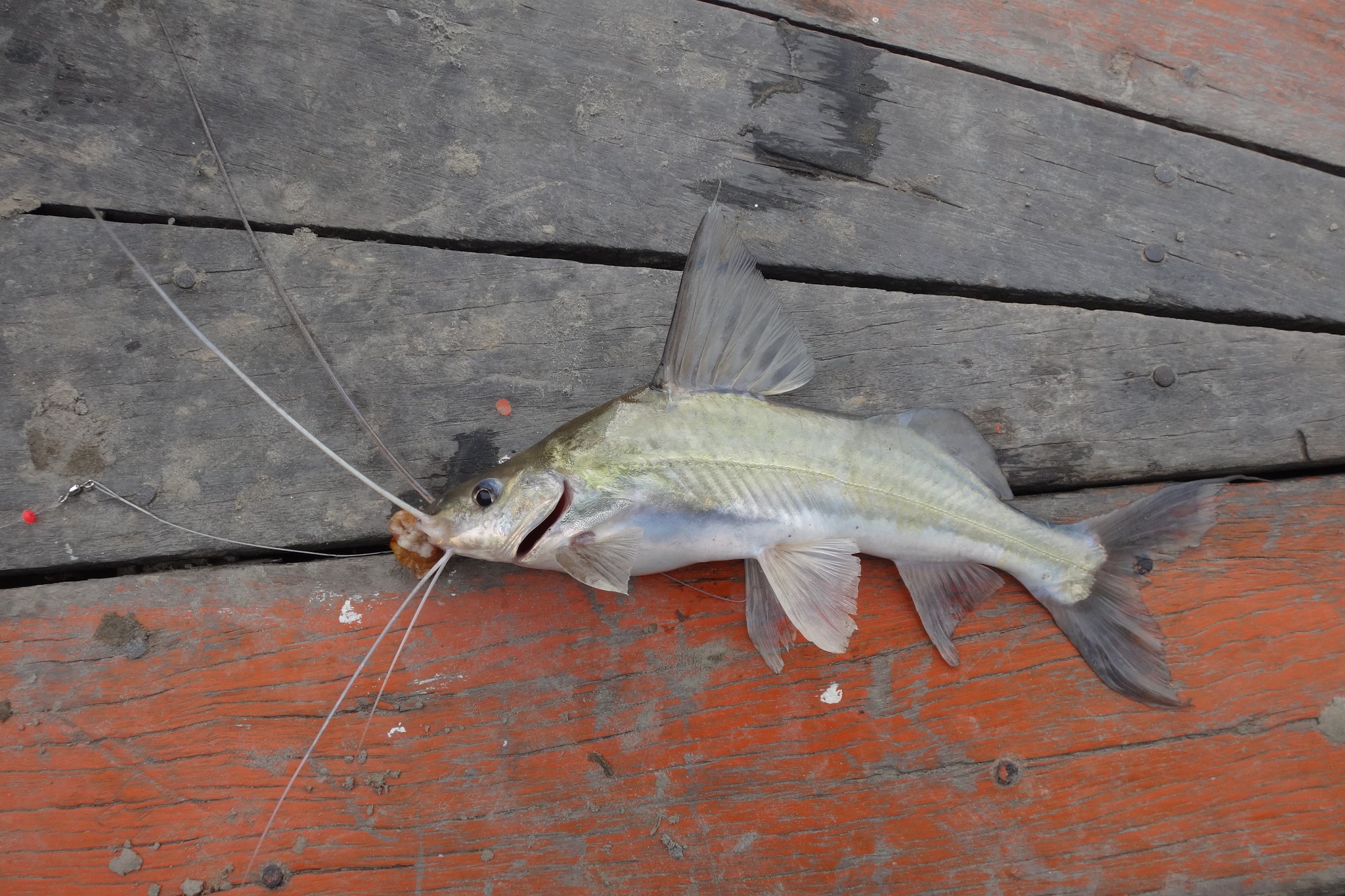
Blacknose Drumcat (Tympanopleura atronasus)


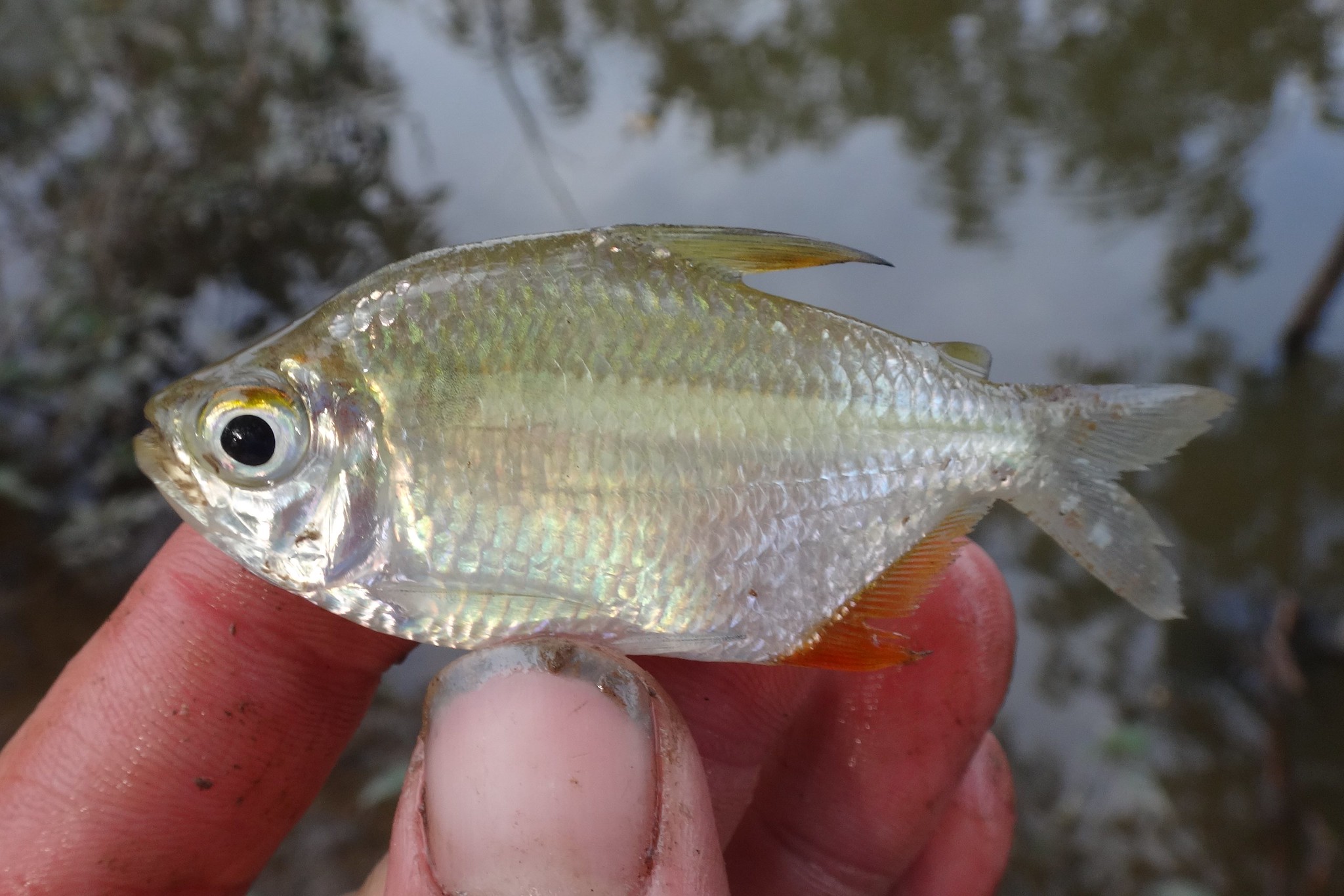
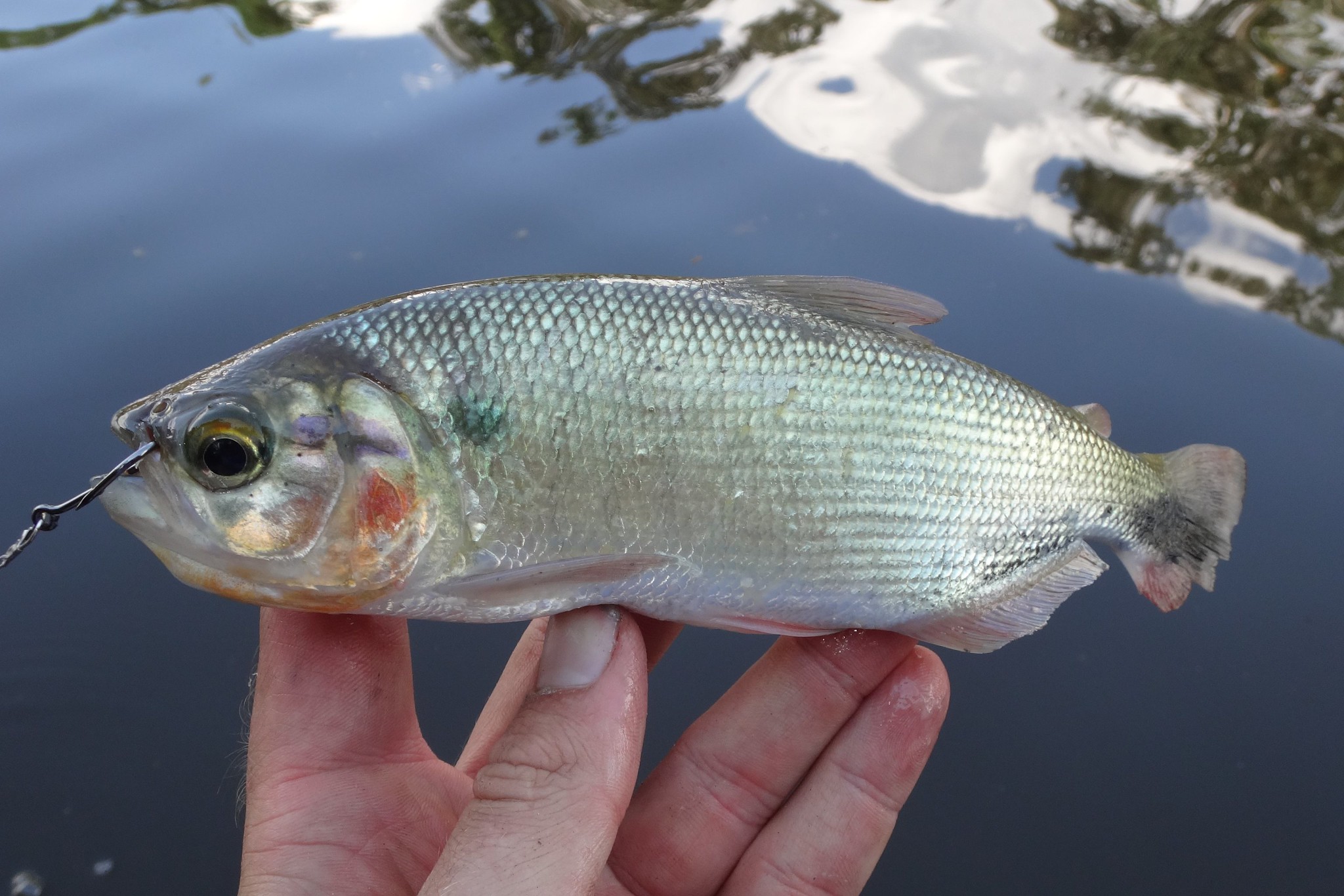
Silver Tetra (Tetragonopterus argenteus)


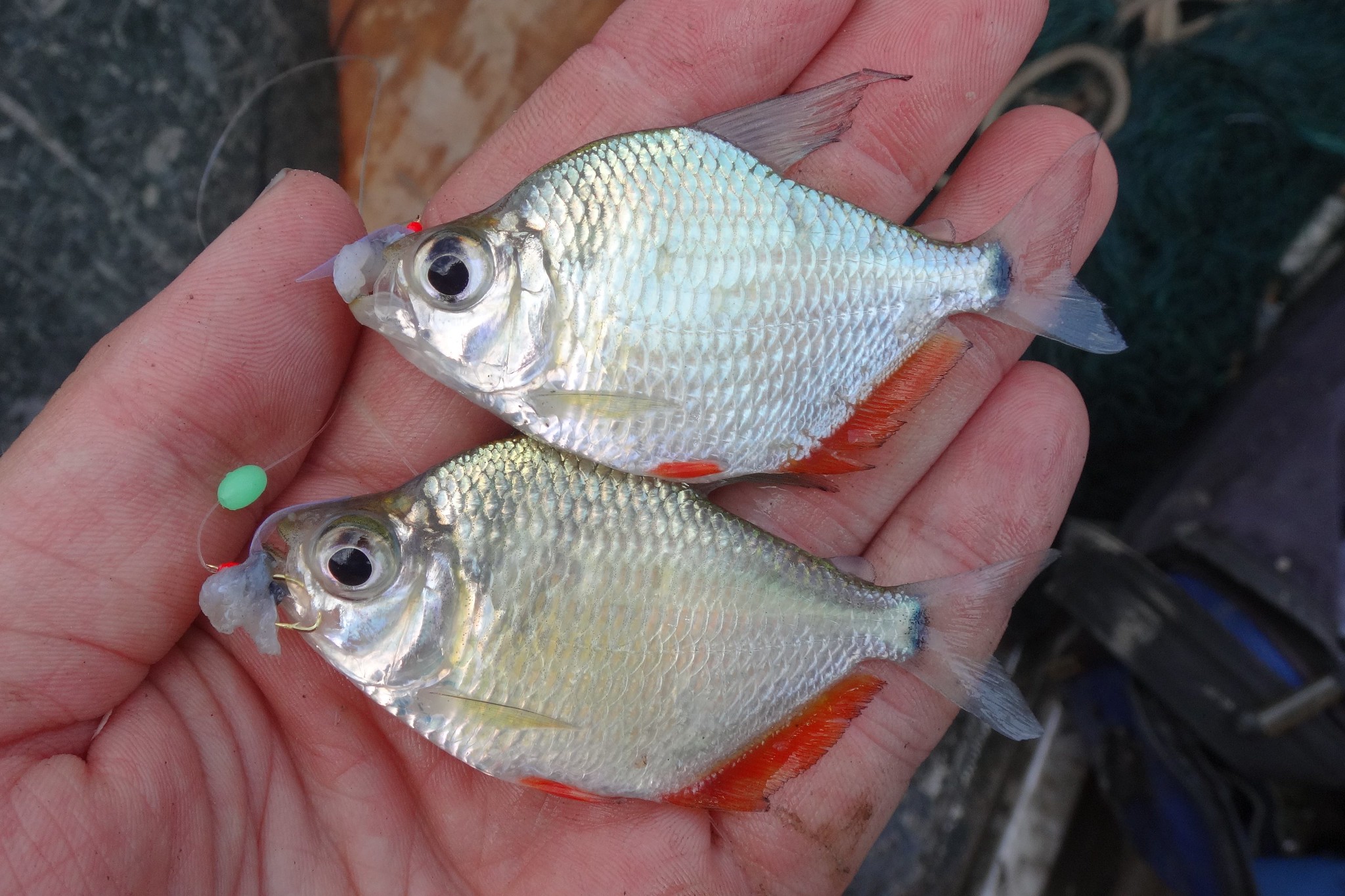
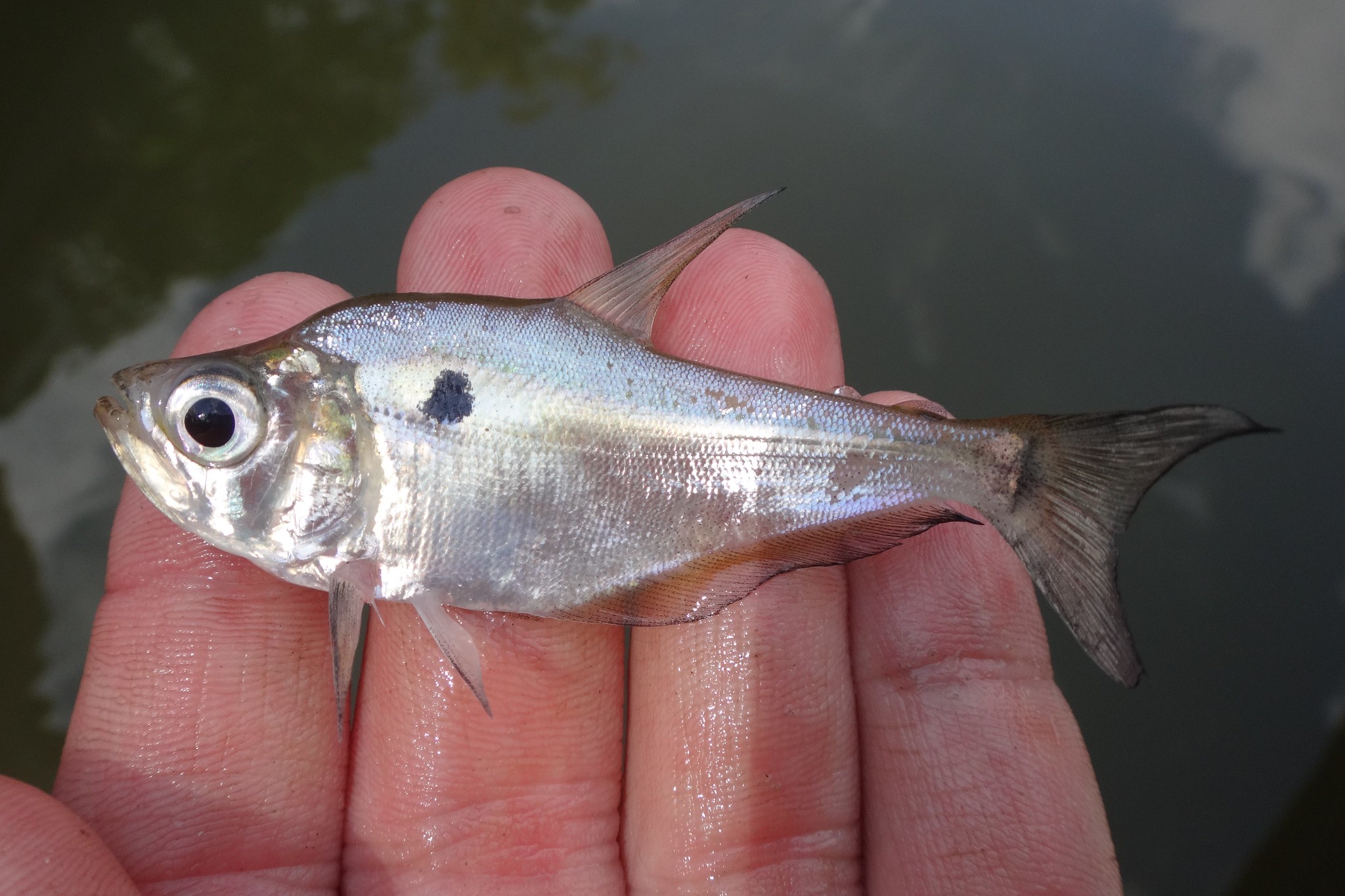
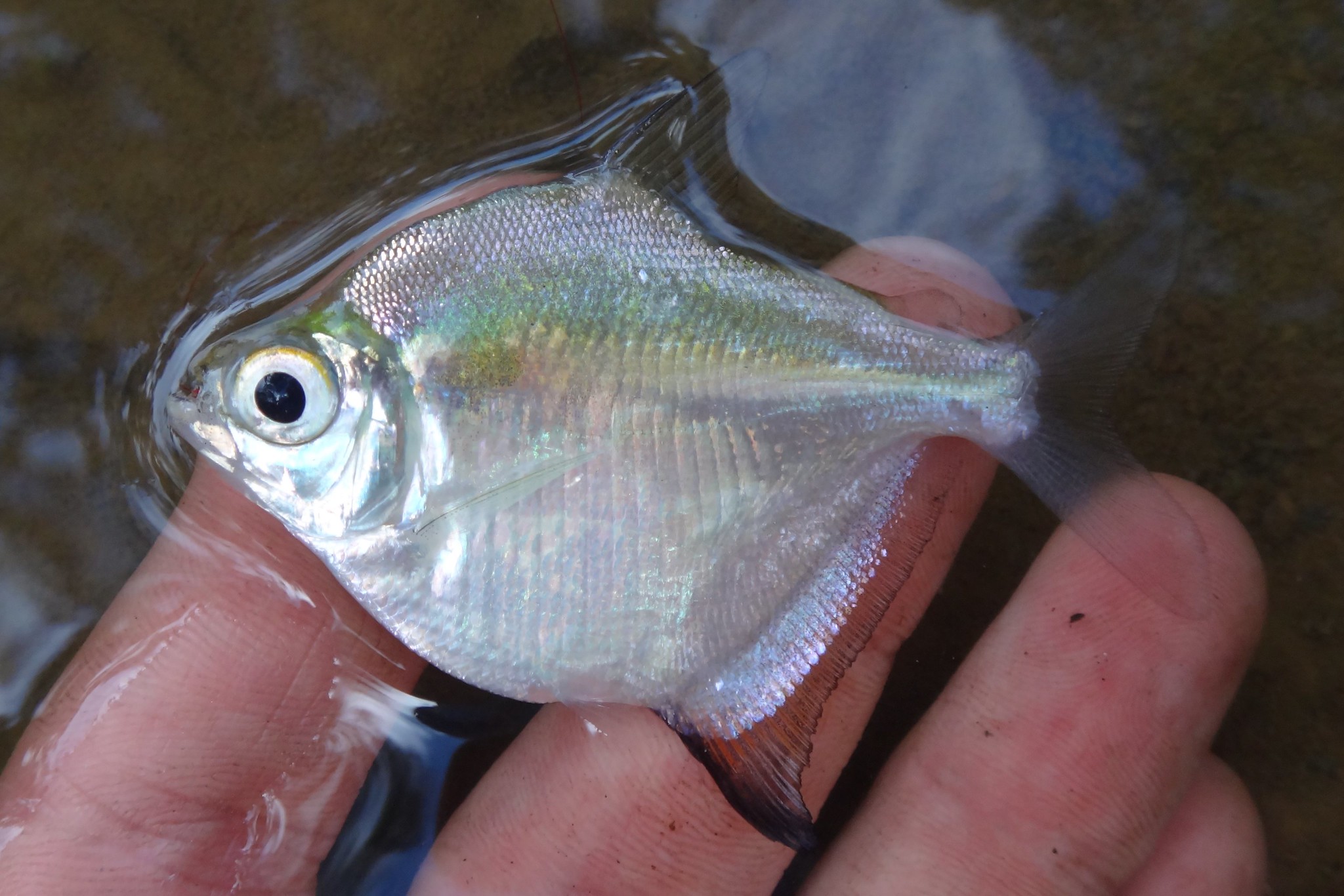
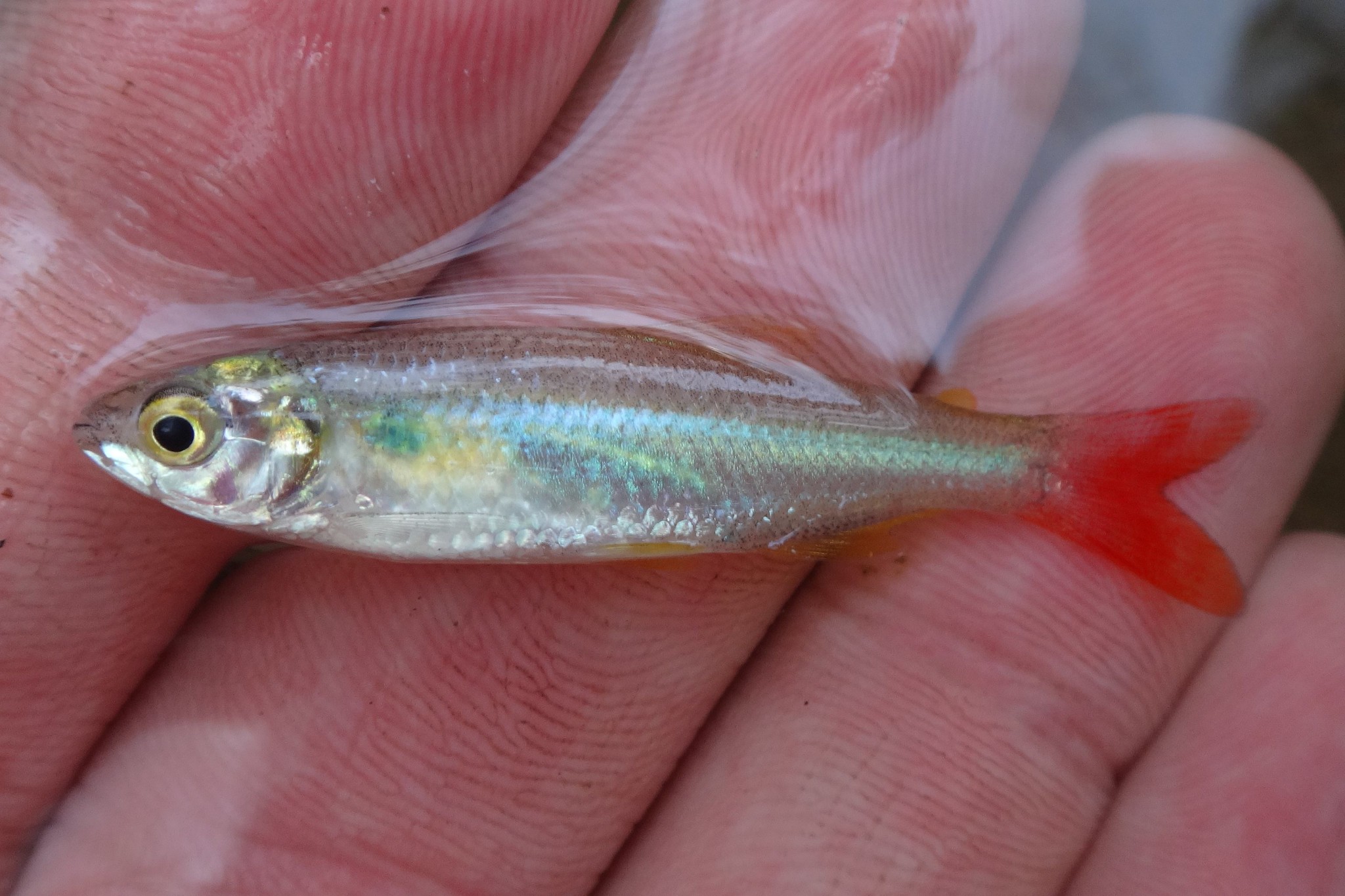
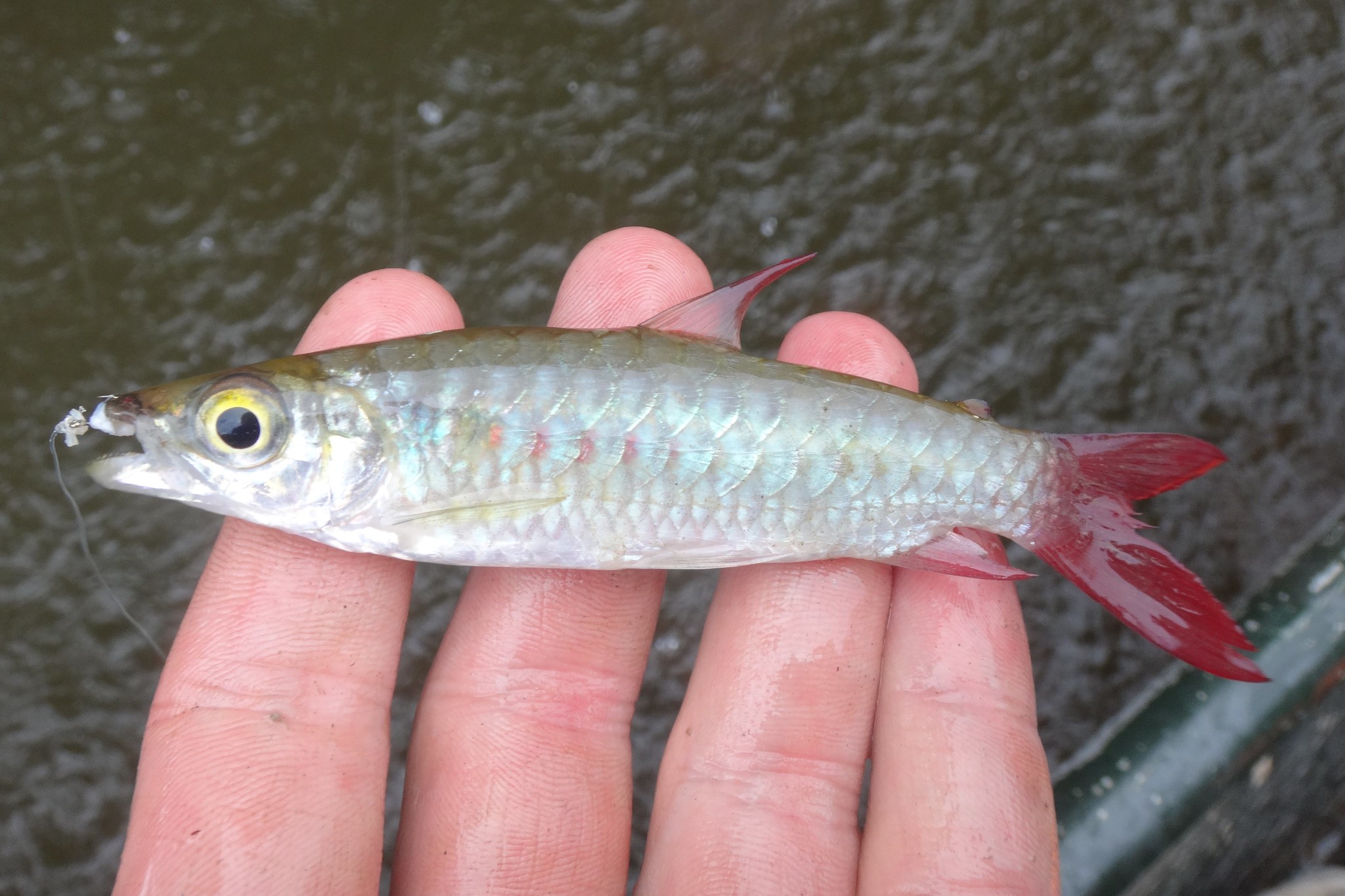
Myer's Scale-Eating Characin (Roeboides myersii) - new hook & line species #381


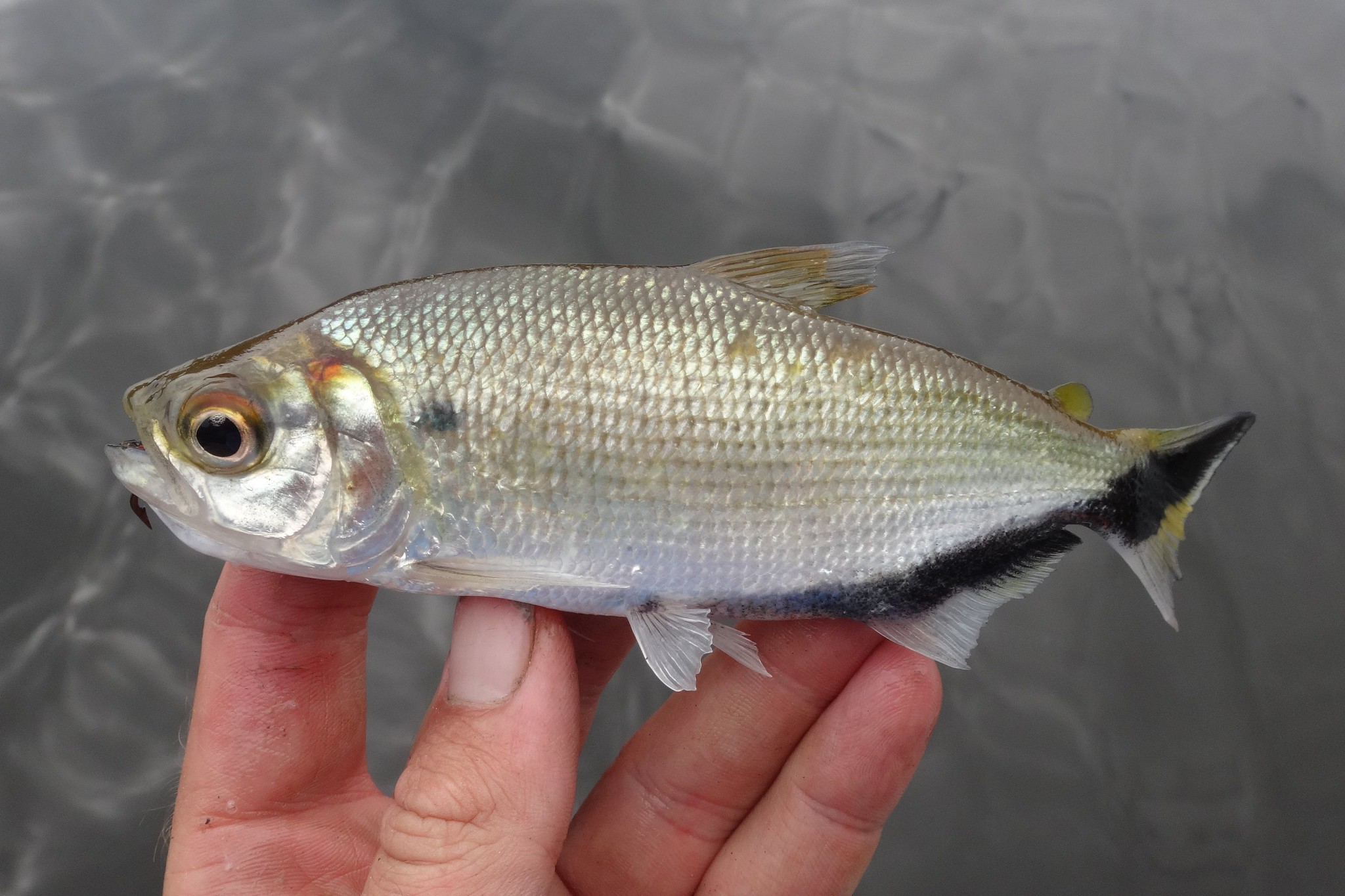
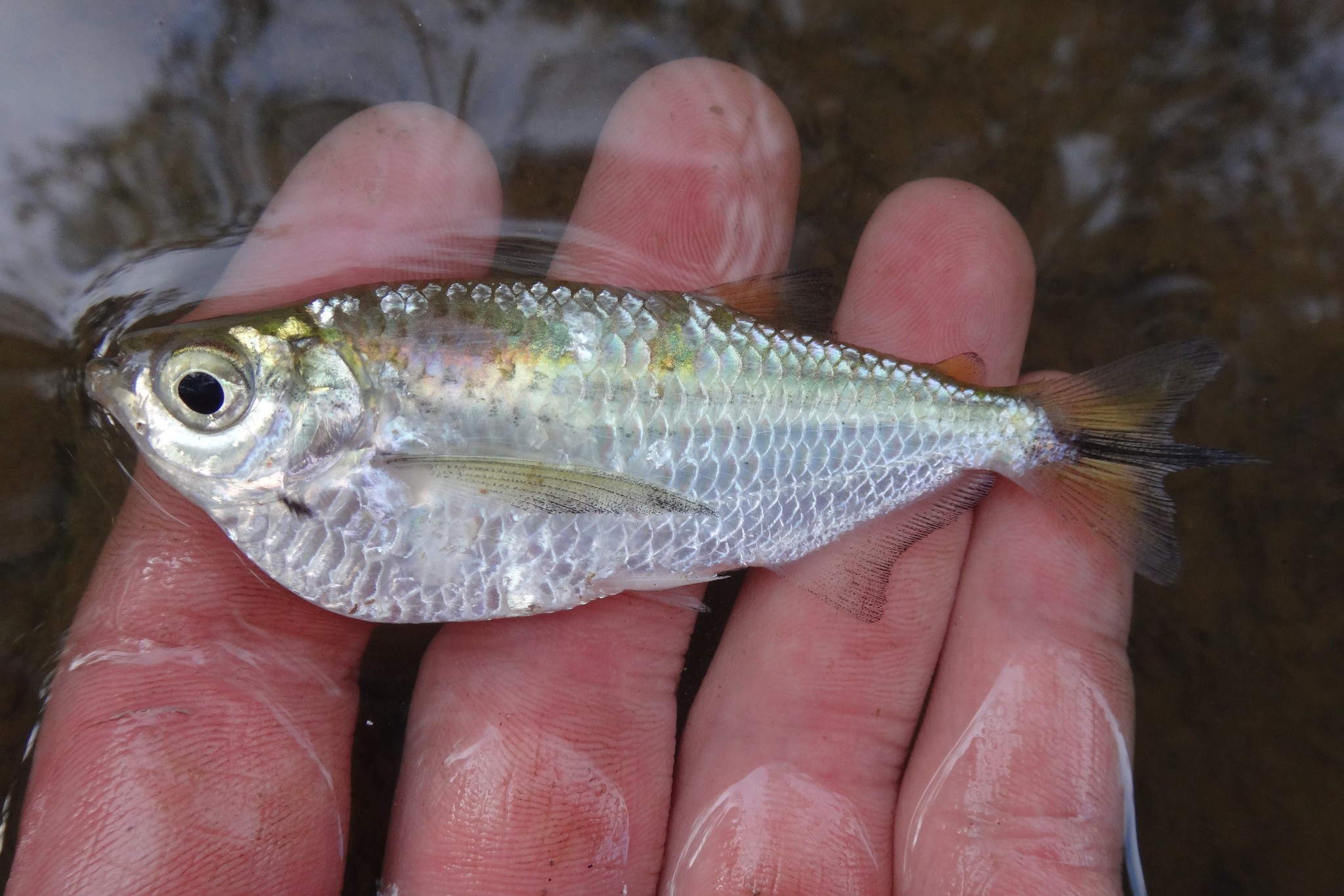
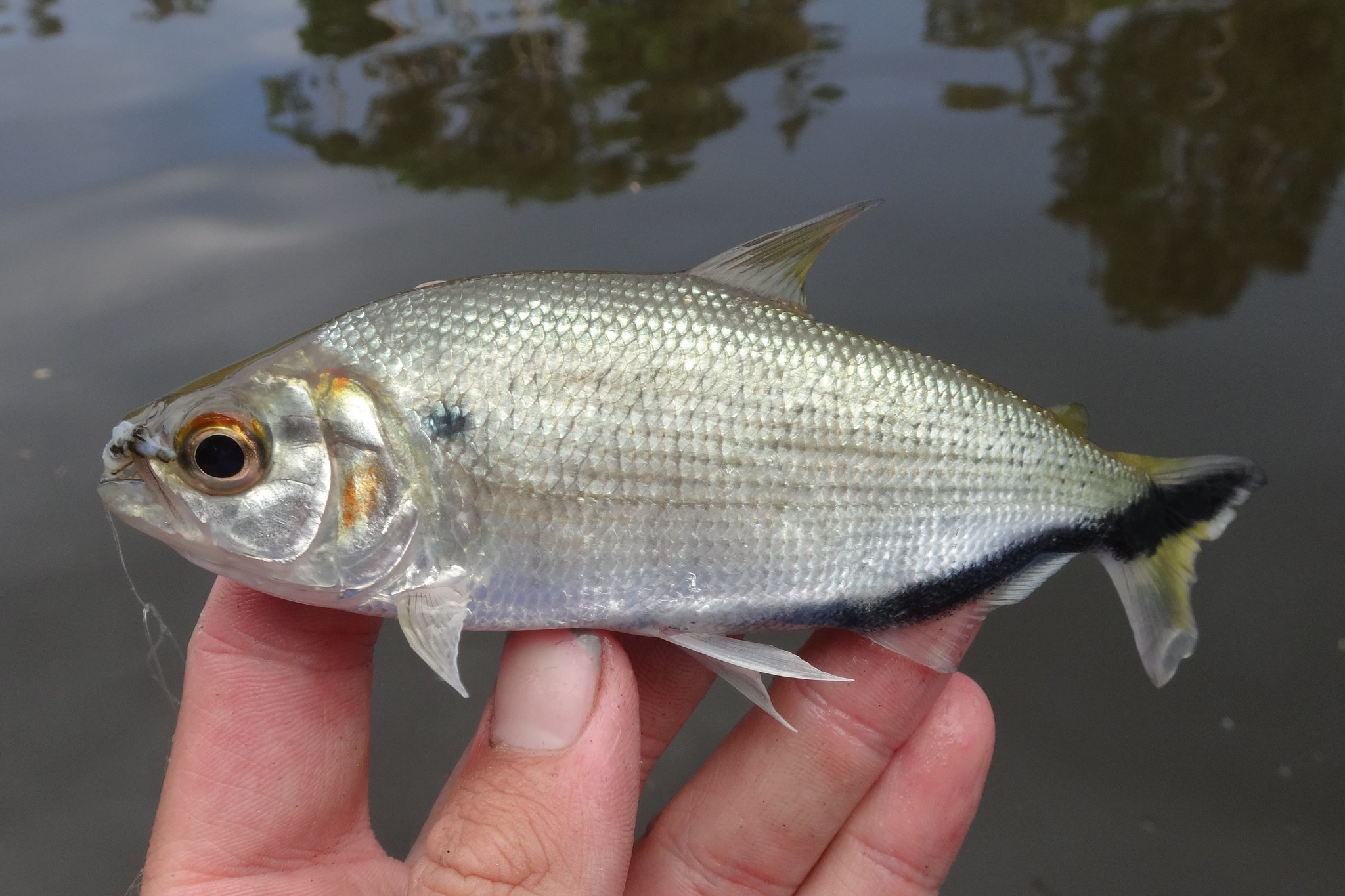
Angled Sardina (Triportheus angulatus)


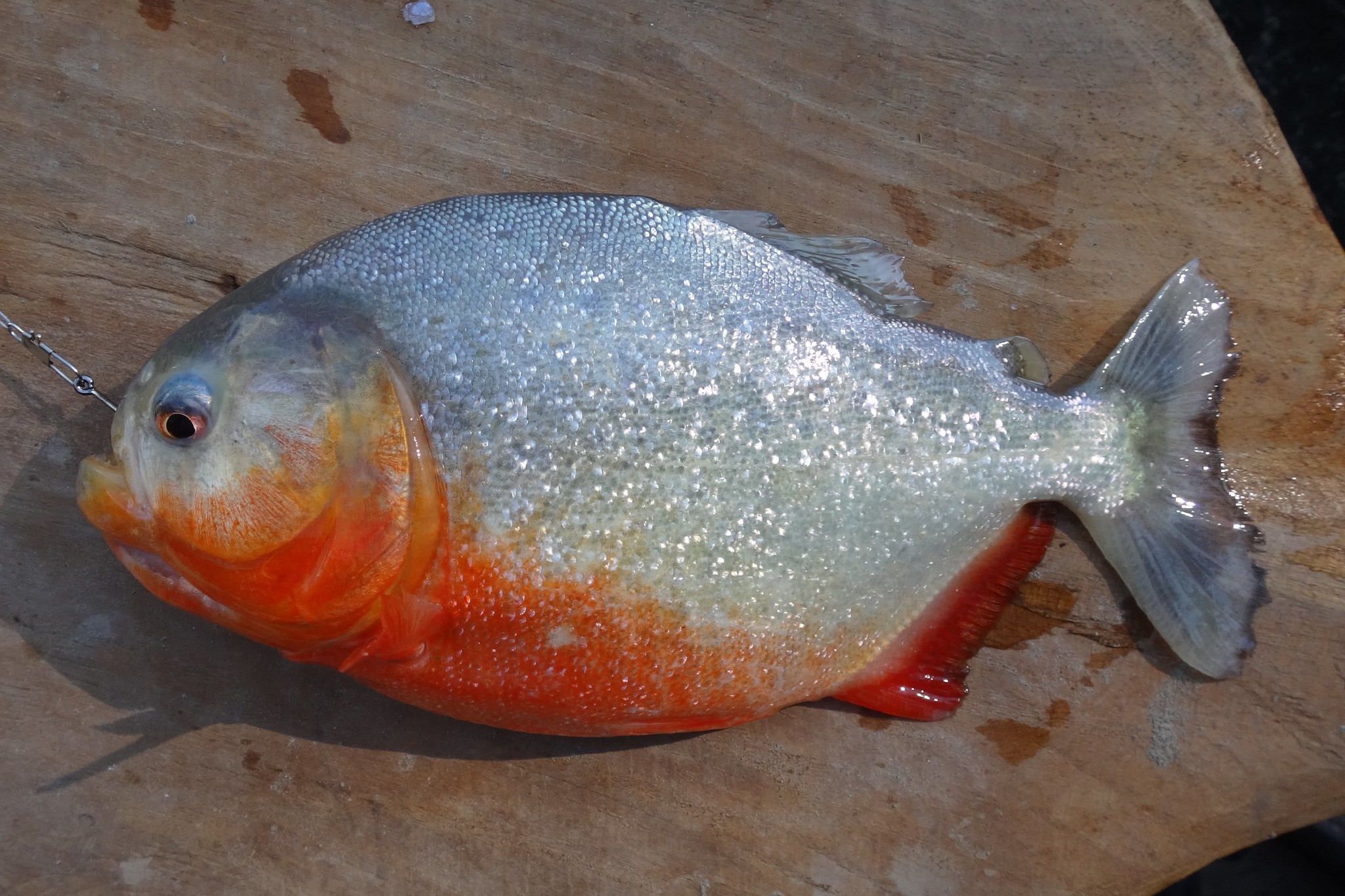
Red-Bellied Piranha (Pygocentrus nattereri)


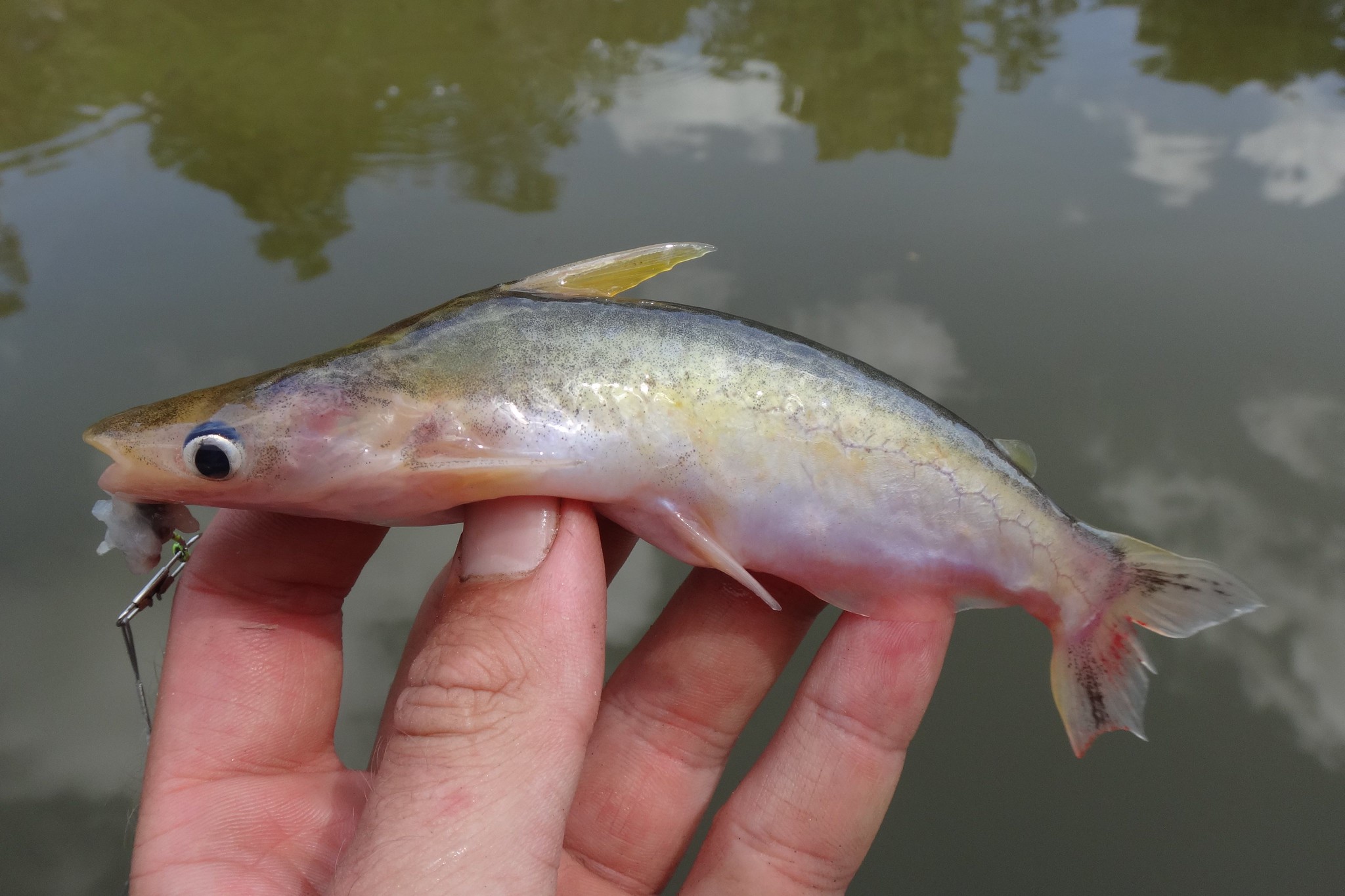
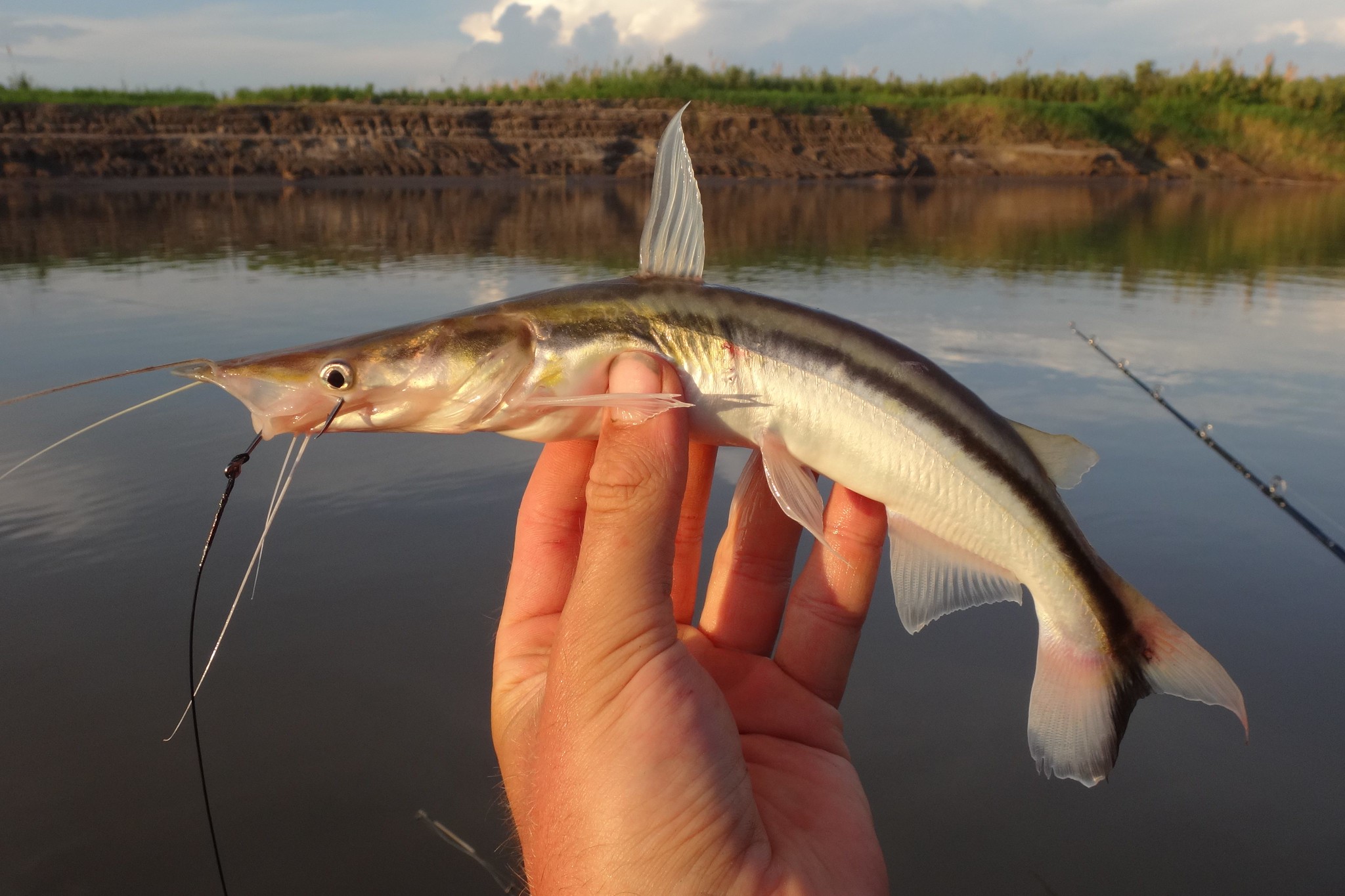
Duckbill Catfish (Sorubim lima) - new hook & line species #382


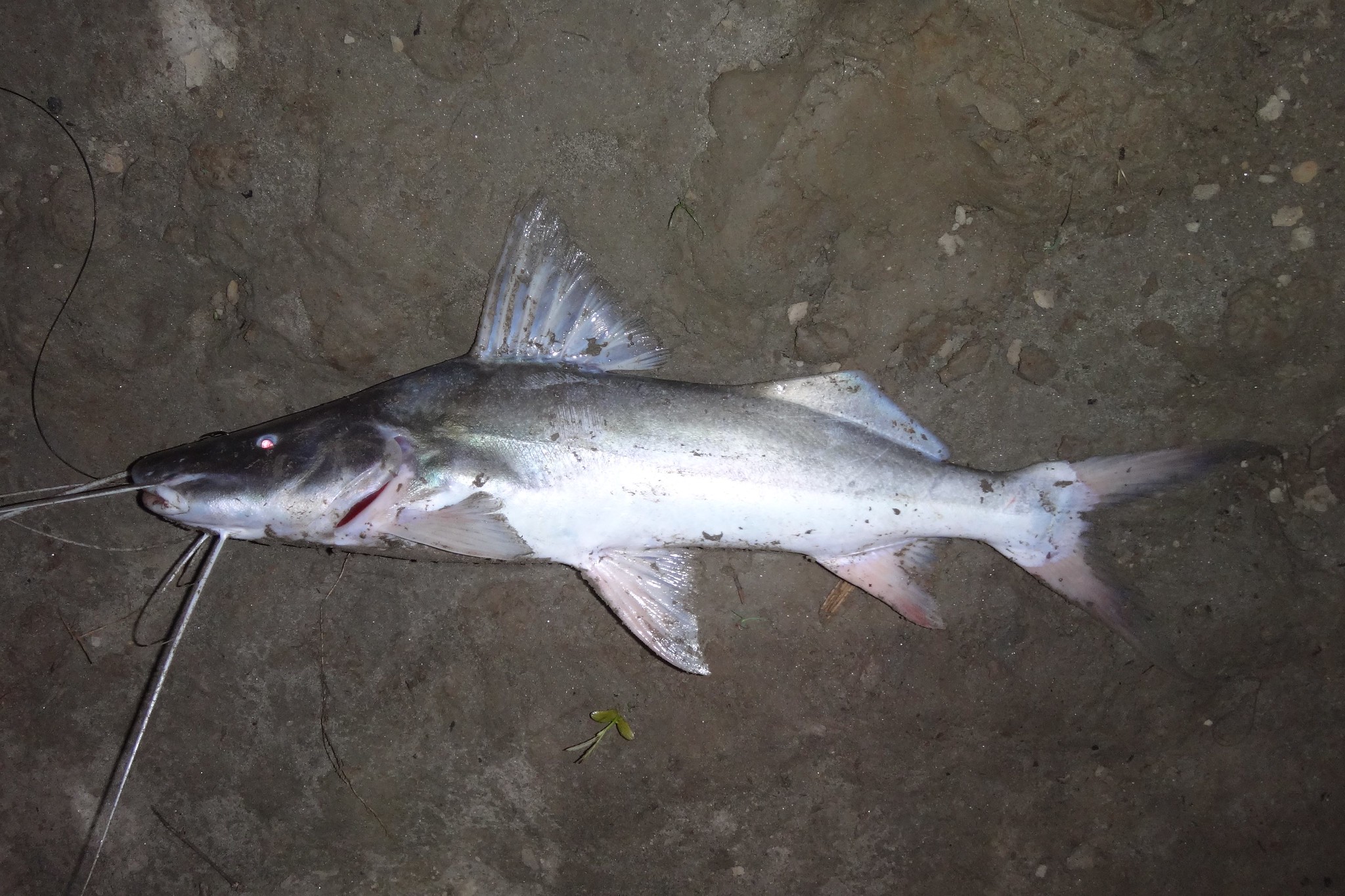
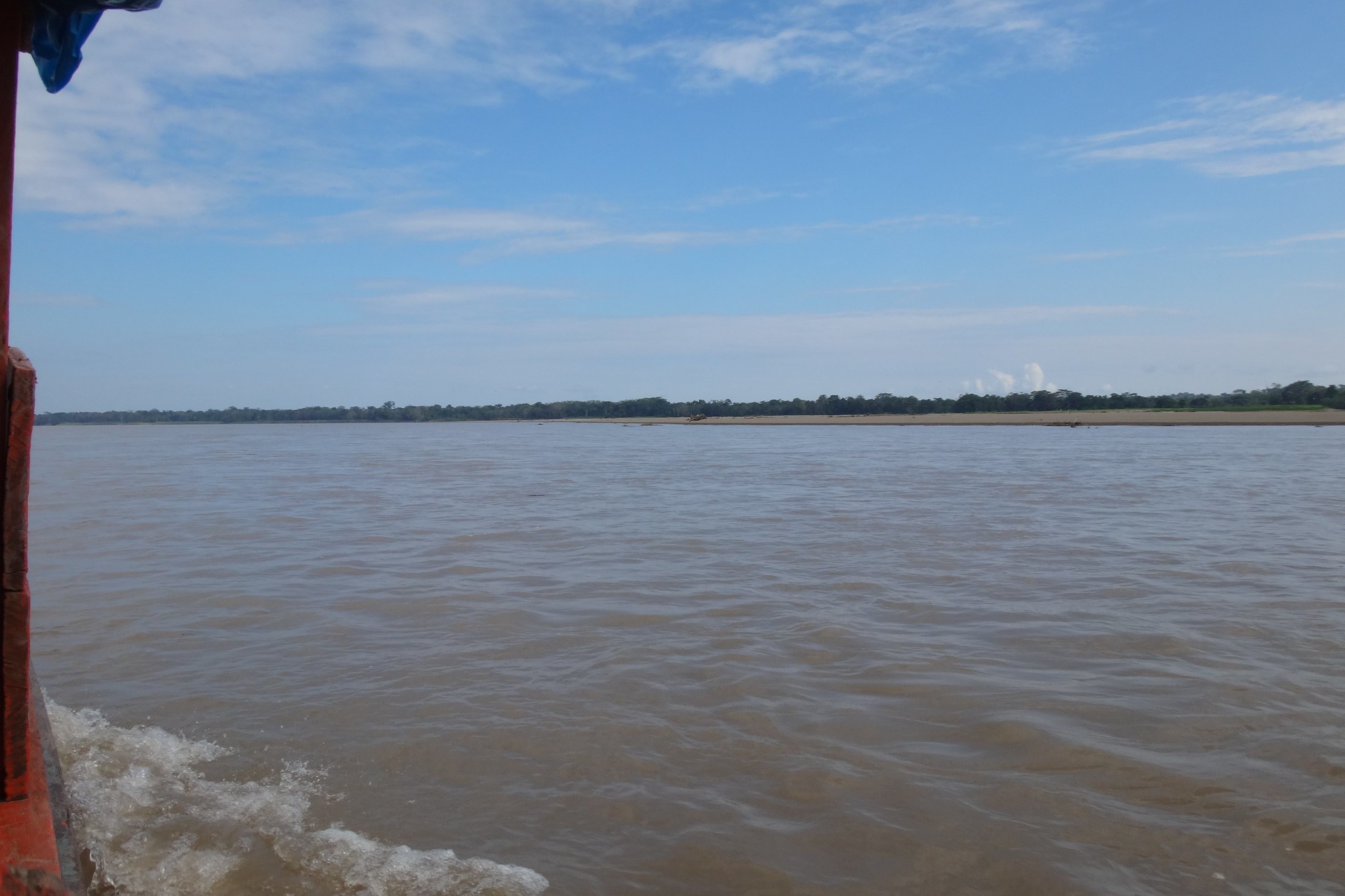
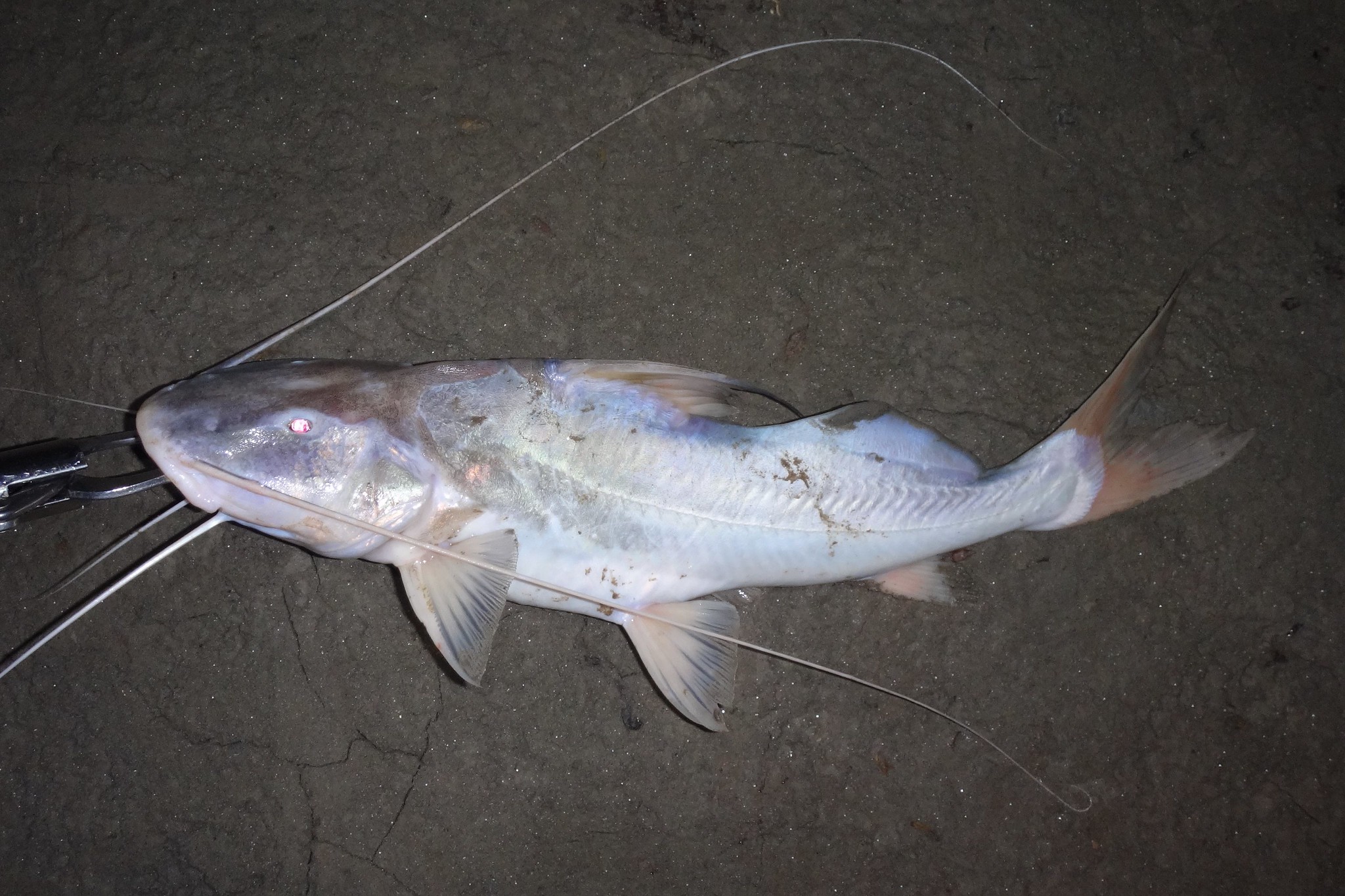
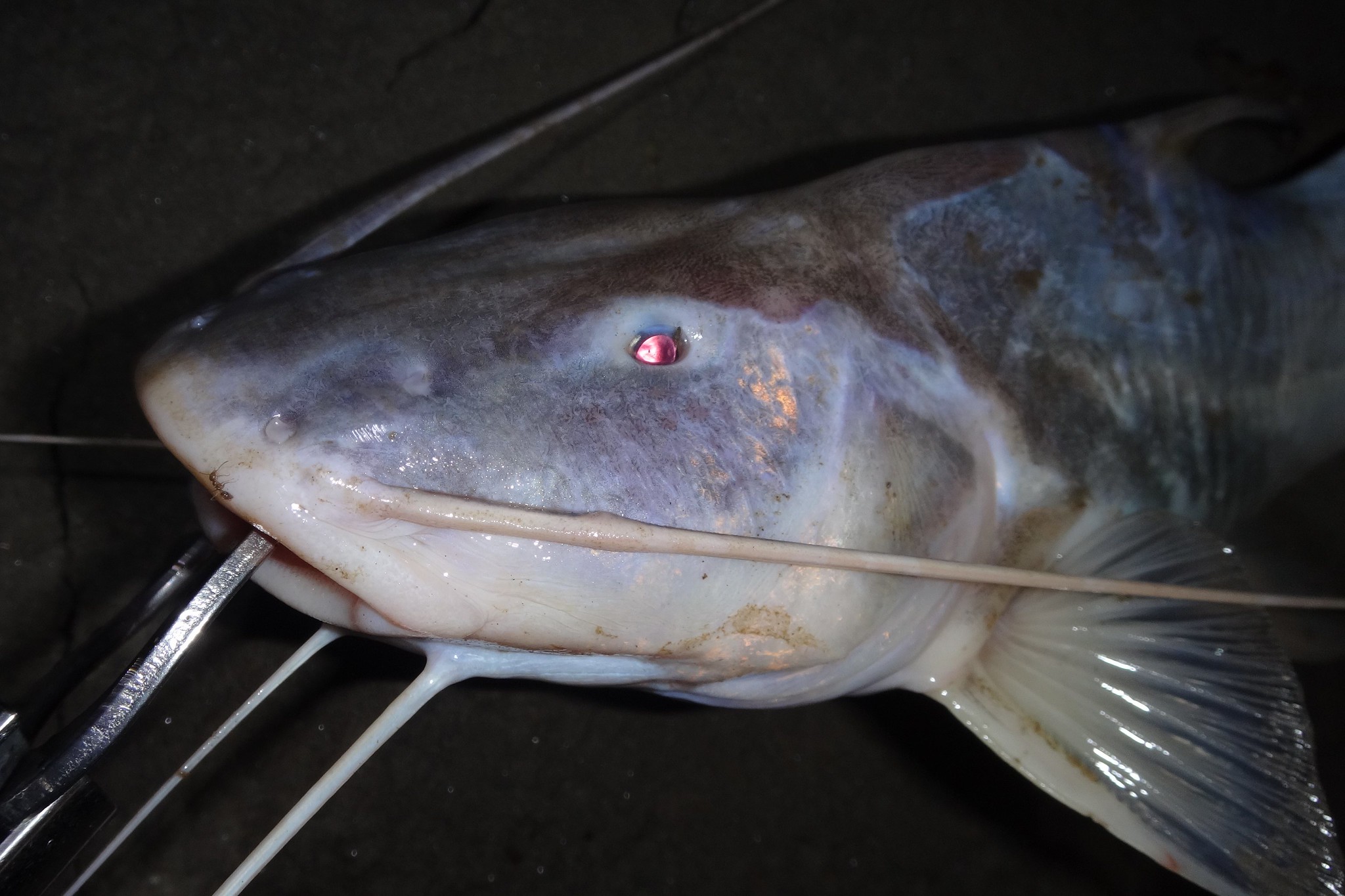
Piramutaba (Brachyplatystoma vaillantii)


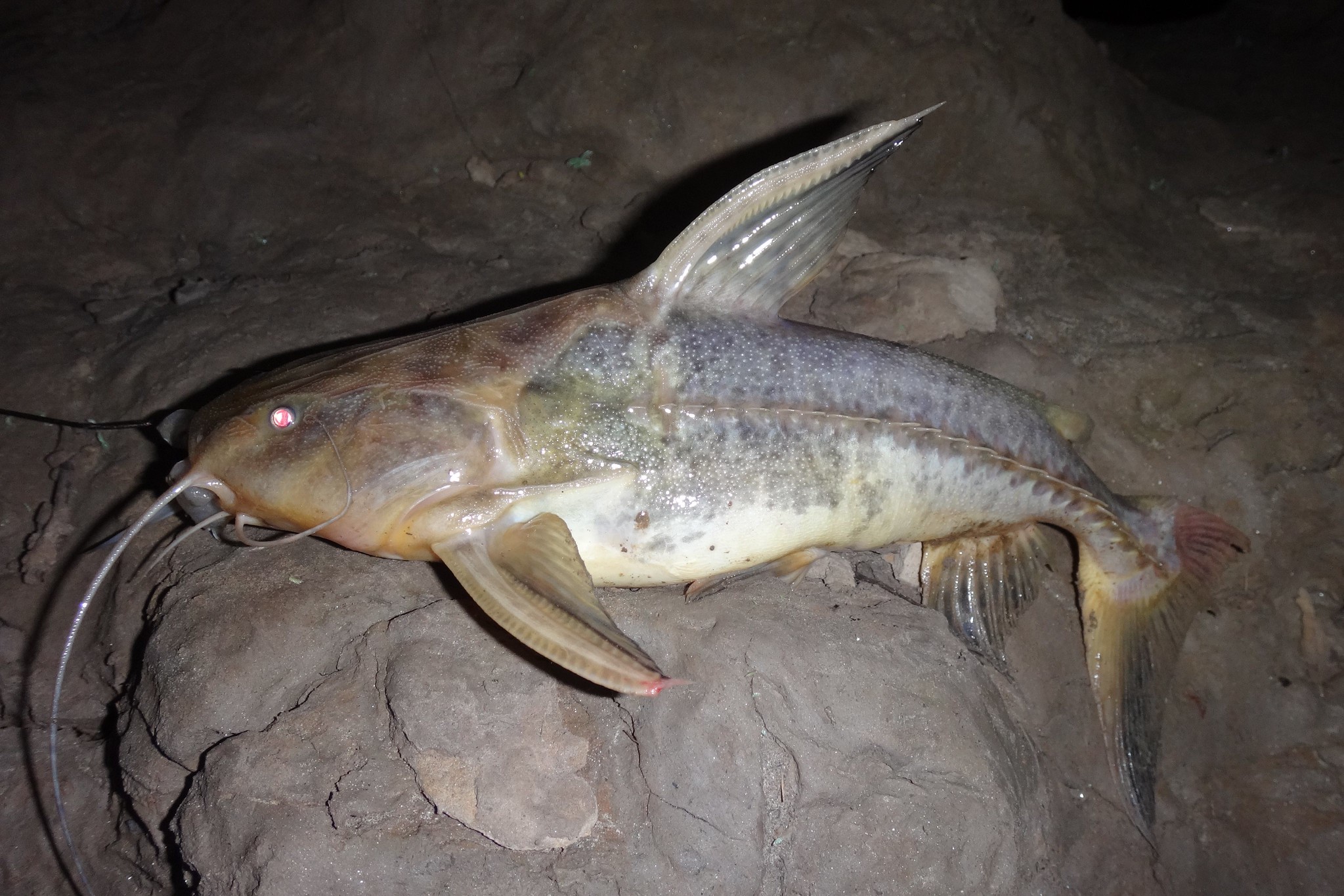
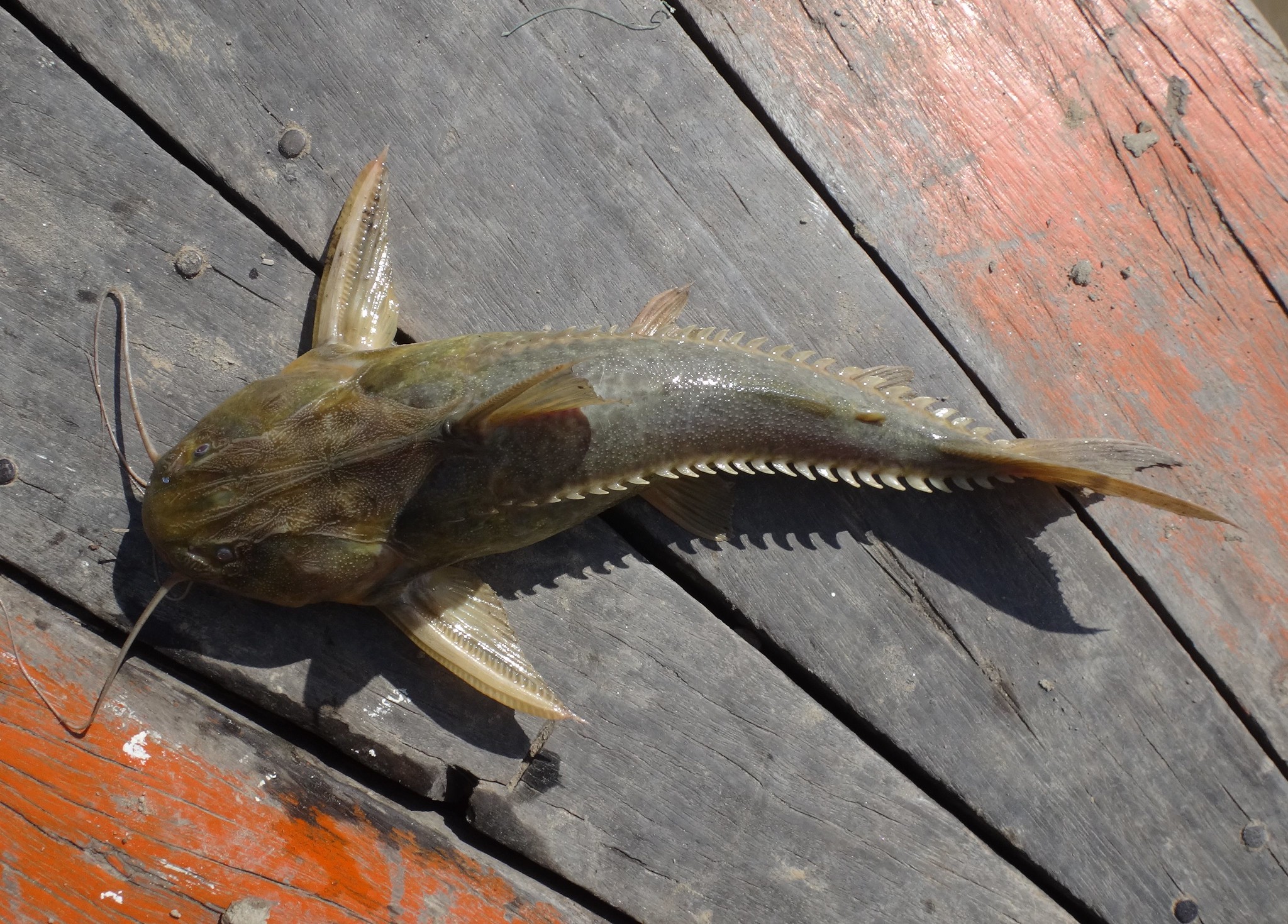
Granulated Catfish (Pterodoras granulosus)

Monday, August 8, 2016

Peruvian Amazon part 4 - the catfish spine

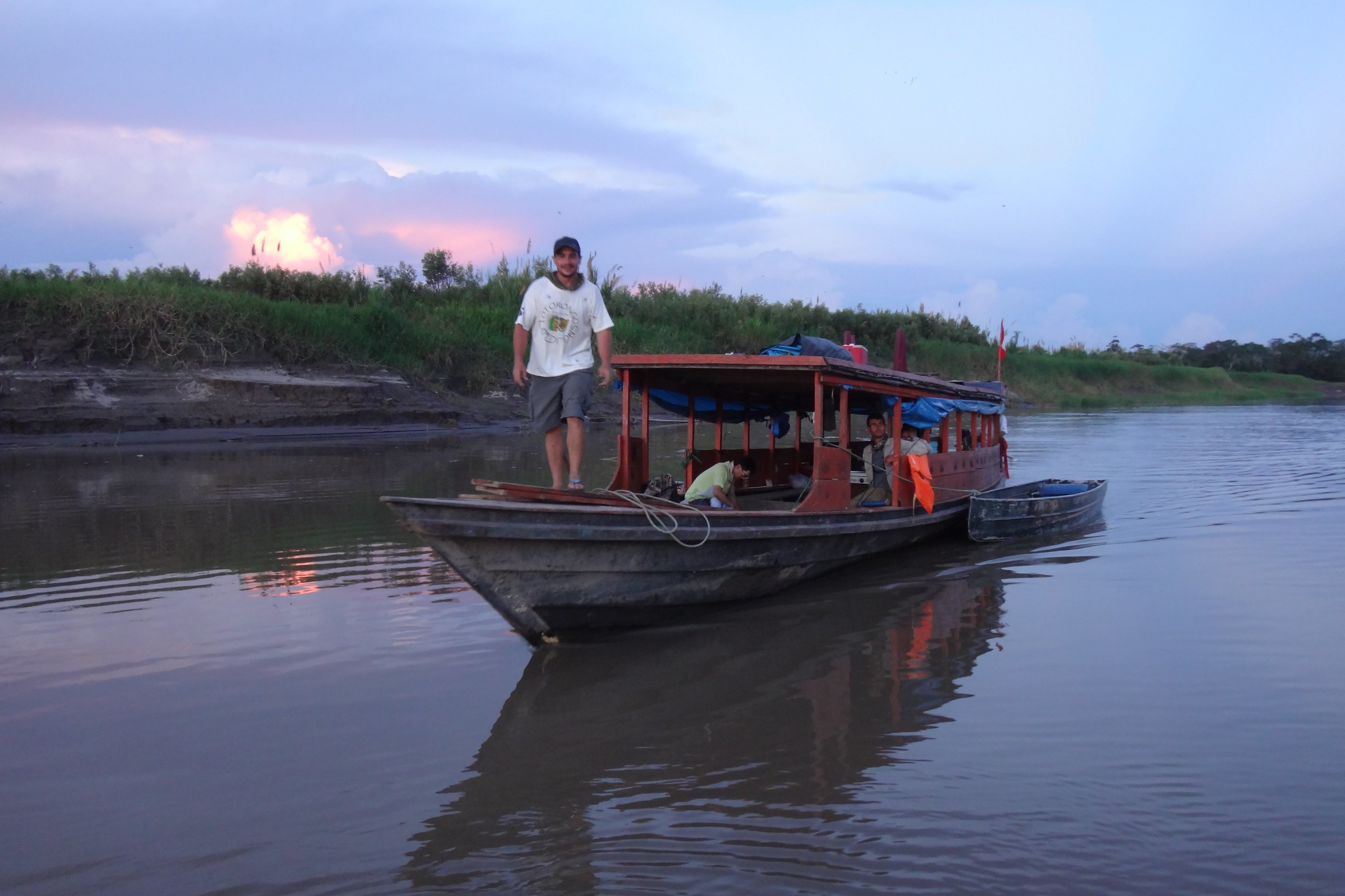
On day four I woke up with a frog inches from my face. It took a few seconds to remember where I was. The frog was sitting on the mosquito net - probably taking advantage of the swarm of mosquitoes trying to get me - and I was under a tarp in the Amazon. I pinched myself to make sure I was awake. One by one we got up and scrambled down the muddy bank to the boat.


The river was peaceful, the birds were singing, and we were excited for another day of fishing. I really like this photo of George. That guy was a ball of enthusiasm for the entire trip!


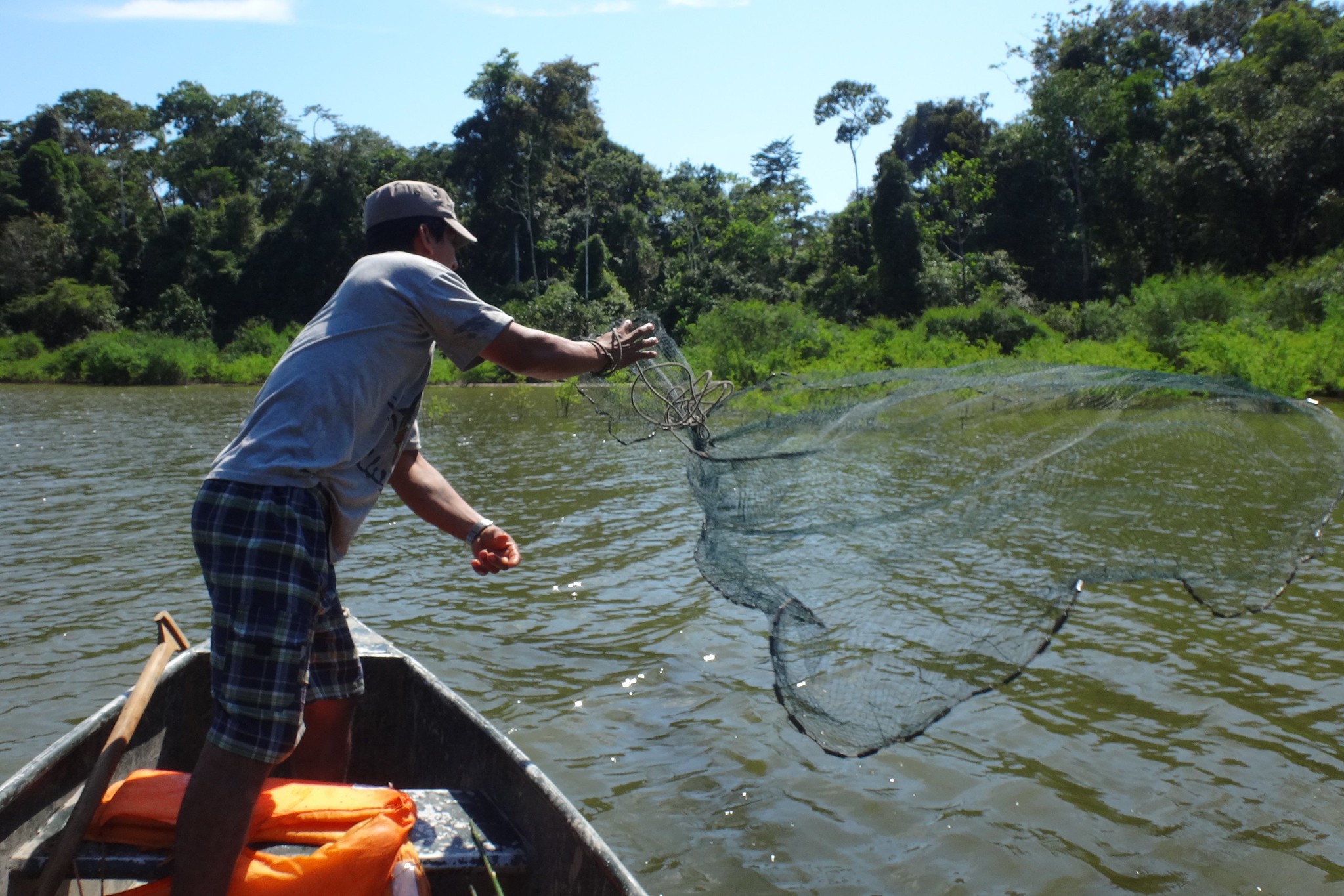
We loaded into the canoes again, but this time we paddled up a different creek from the previous day. It lead to another lake that also promised to have good fishing. Once again, the going was tough.


Our strategy was similar to the previous day - alternate between lures and cut bait, mostly targeting predatory fish. This lake was loaded with brycons, but they were a species we had already caught.

Black-Finned Brycon (Brycon melanopterus)


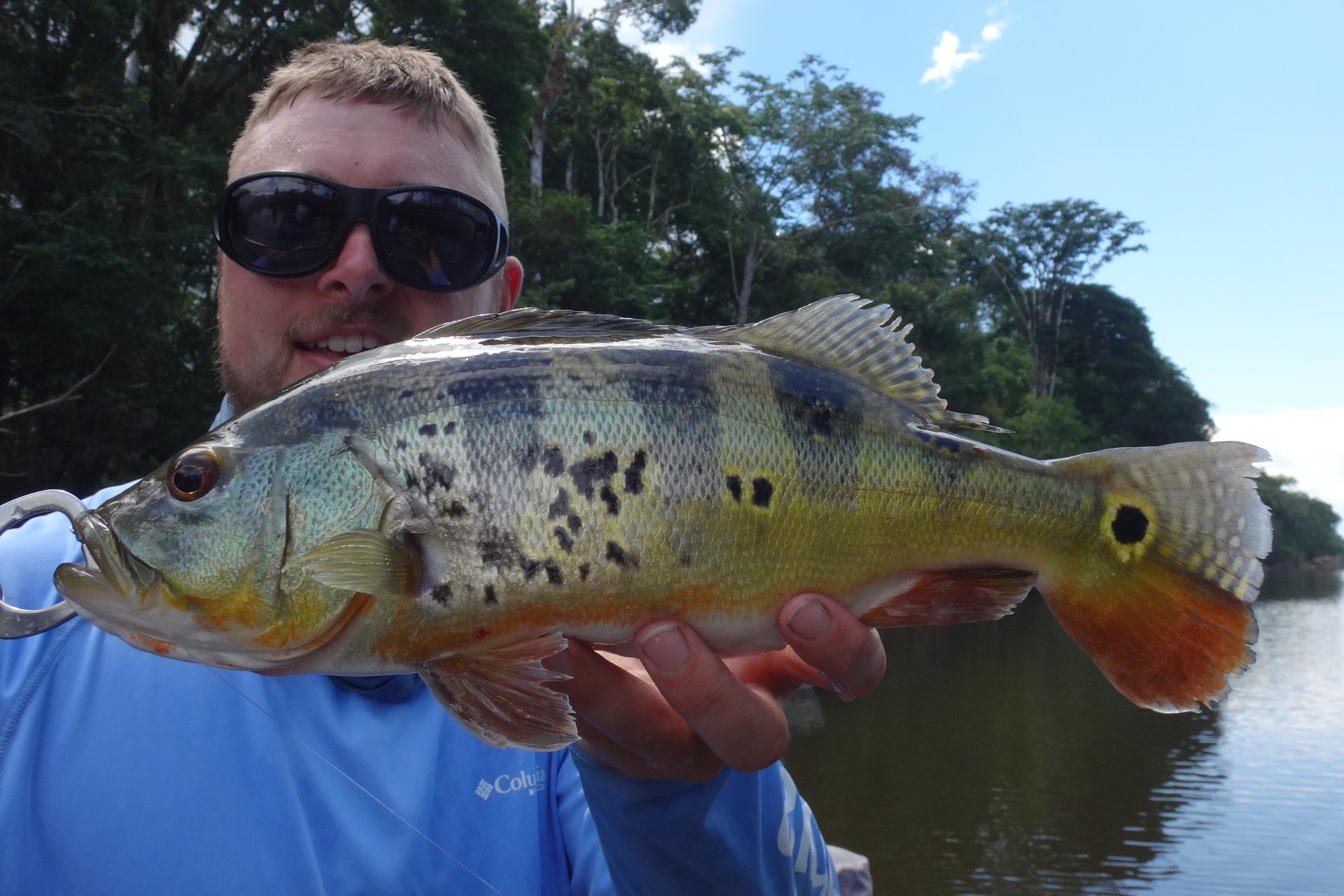
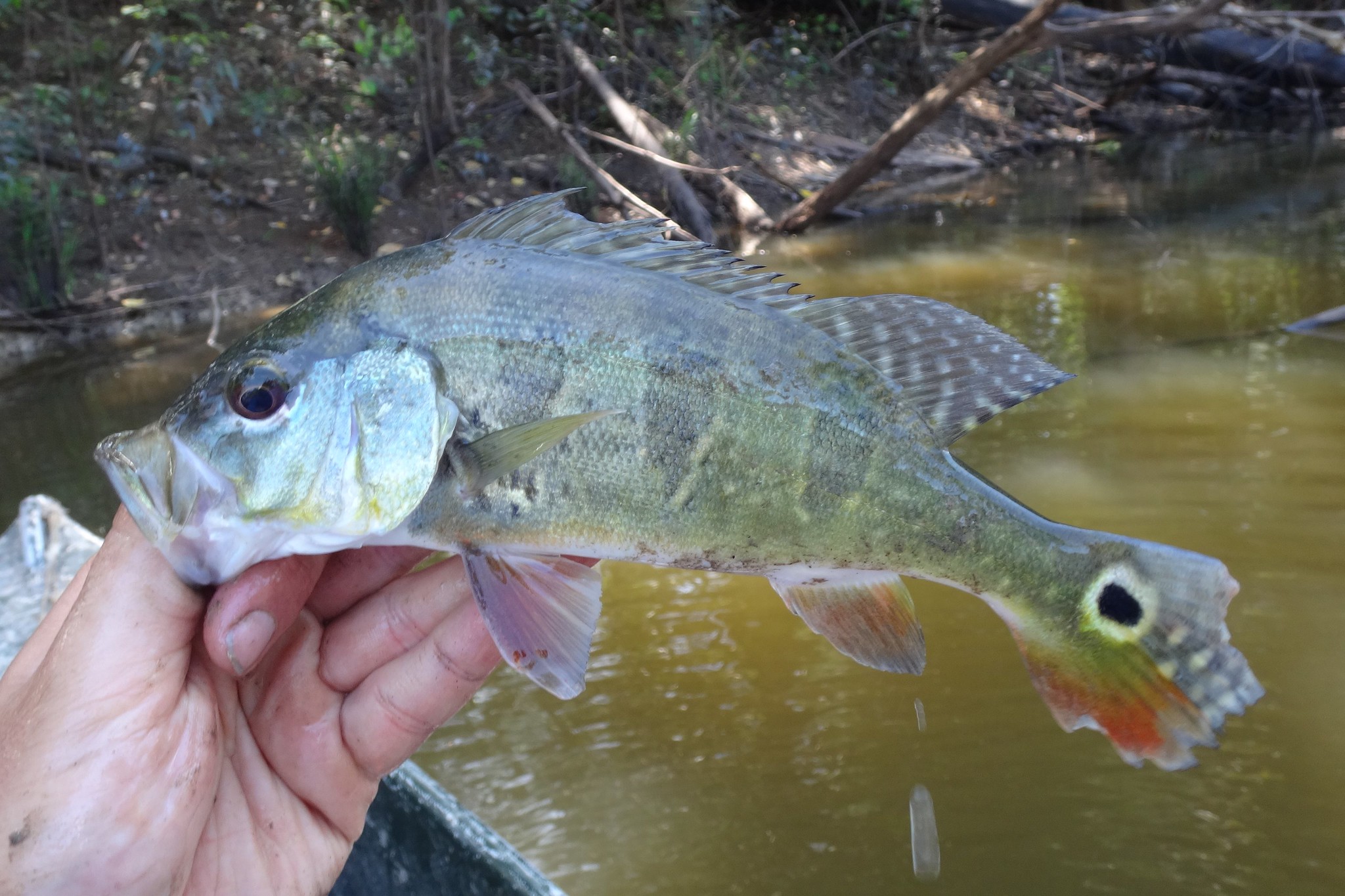
Larger lures got hit by peacock bass. Their average size was smaller than the previous lake, but they were still fun. Chartreuse and orange were good colors.

Monoculus Peacock Bass (Cichla monoculus)


Cut bait gave me my first new species of the day, a new kind of piranha. The red eyes, orange throat, iridescent silver scales, and black terminal band on its tail are all ID characteristics of Sanchez piranha.

Sanchez Piranha (Serrasalmus sanchezi) - new hook & line species #371


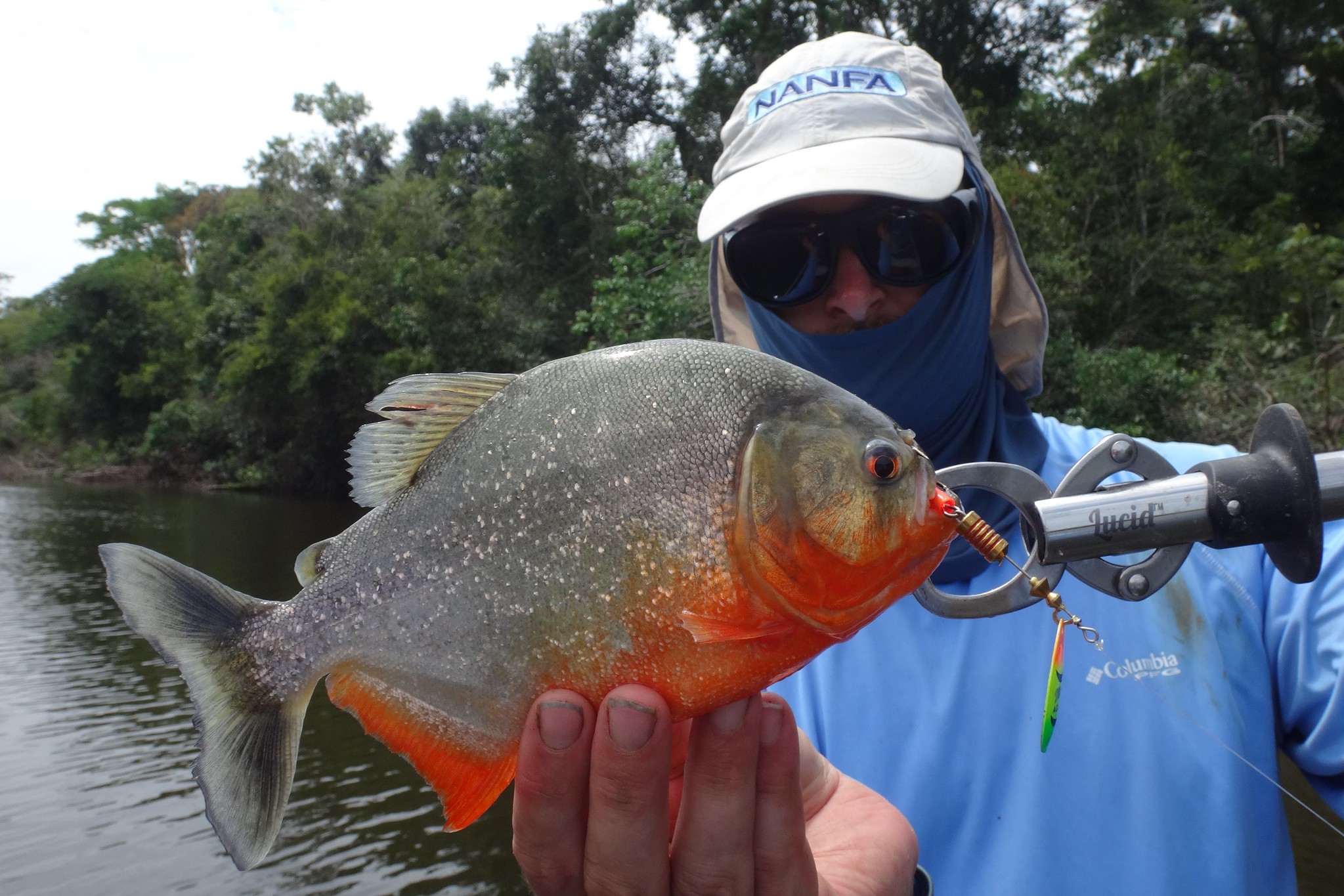
Most of the piranhas we caught during our trip were on cut bait, so it always a fun surprise to get one on a lure. This red-bellied piranha hit my largest Mepps spinner.

Red-Bellied Piranha (Pygocentrus nattereri)


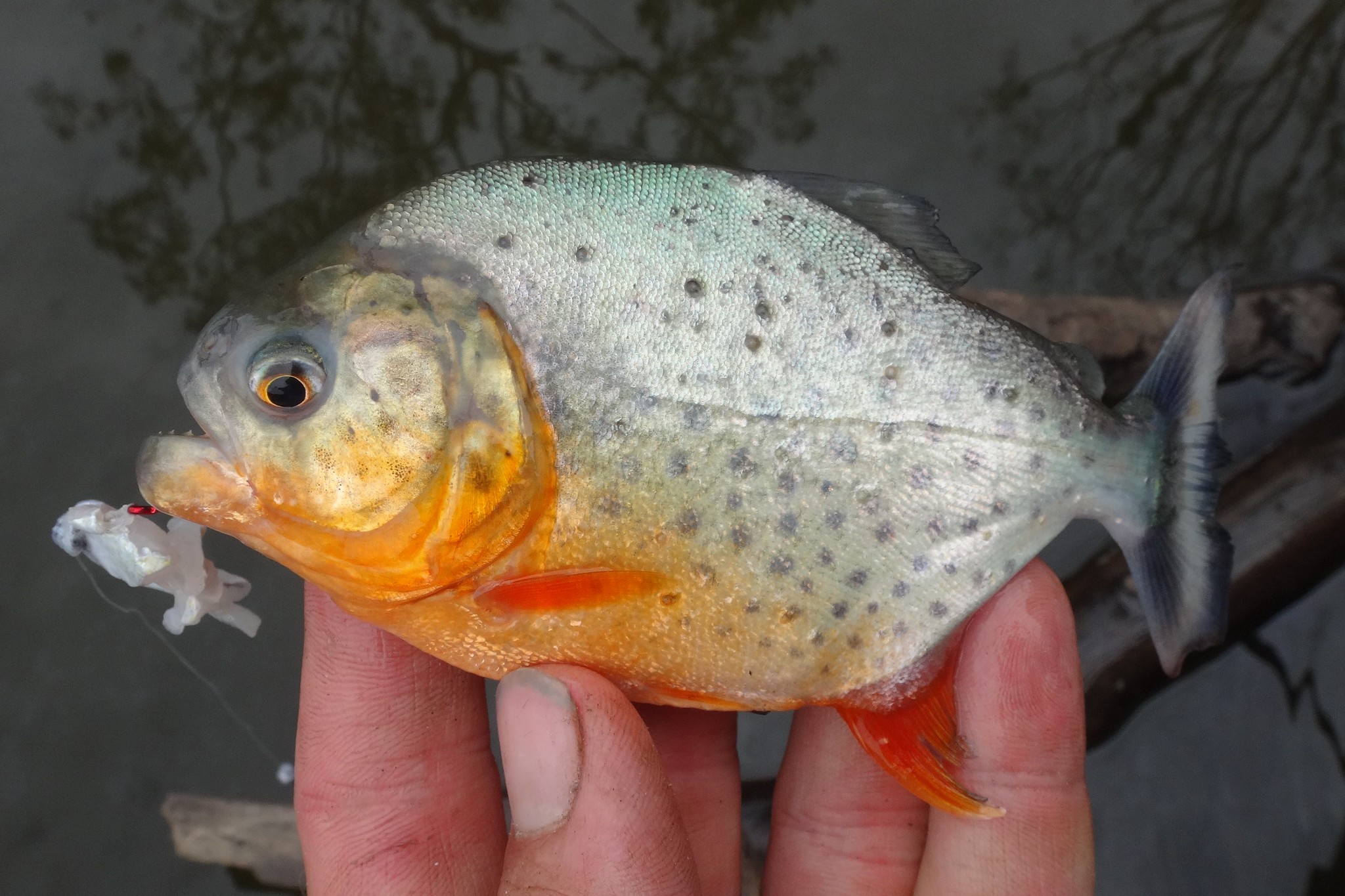
Piranha were frustrating to ID during our trip, which was our fault because we didn't thoroughly research the different species ahead of time. I think most of us ended up photographing every one we caught and sorting them out once we got home. It didn't help that juveniles often had characteristics that adults did not, such as the spots on this young red-bellied.


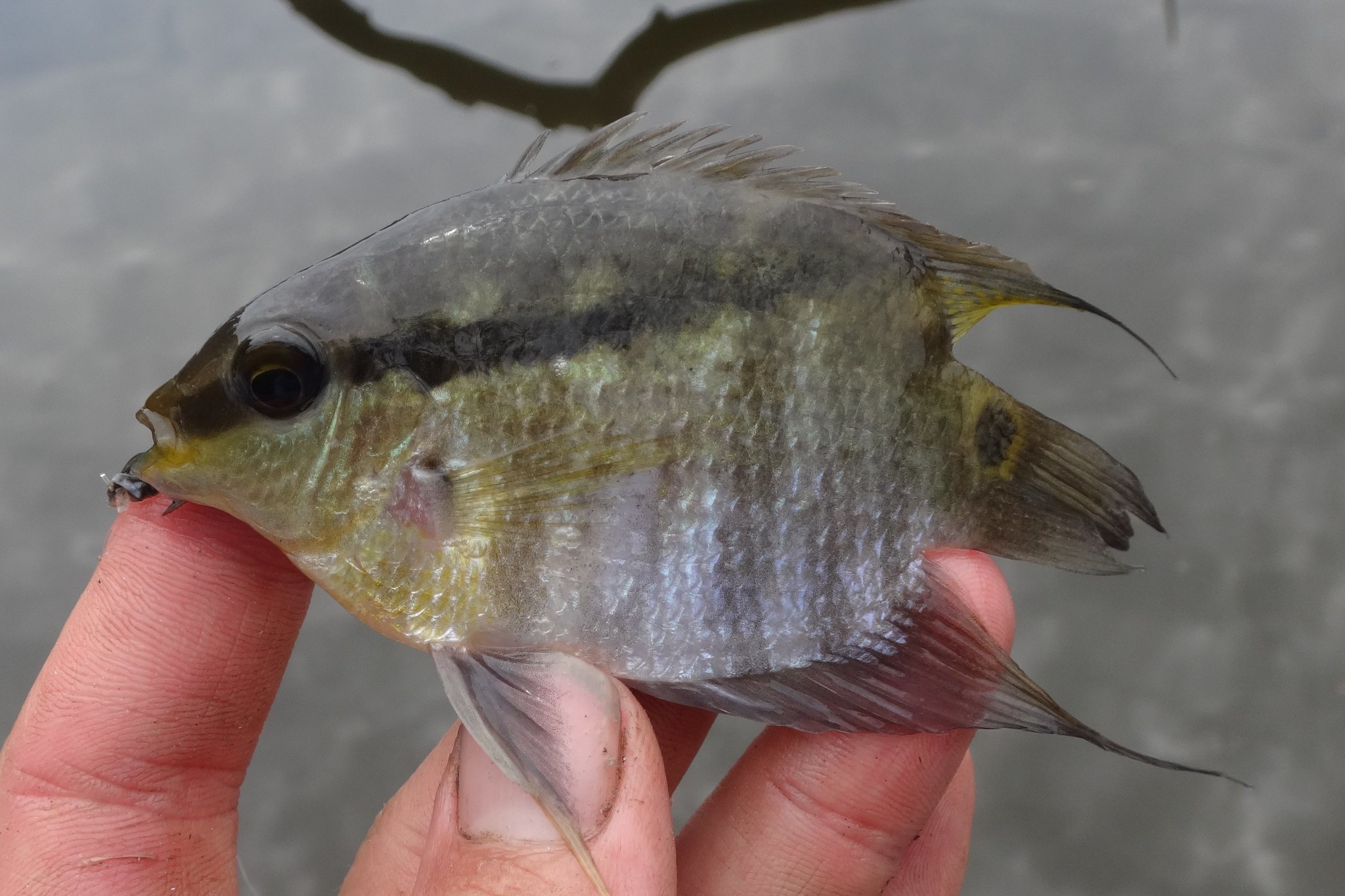
In the afternoon I downside my hook and bait to see if I could get a new micro or two, but everything was the same as the day before. The micro cichlids were the same.

Wonderful Flag Cichlid (Mesonauta mirificus)


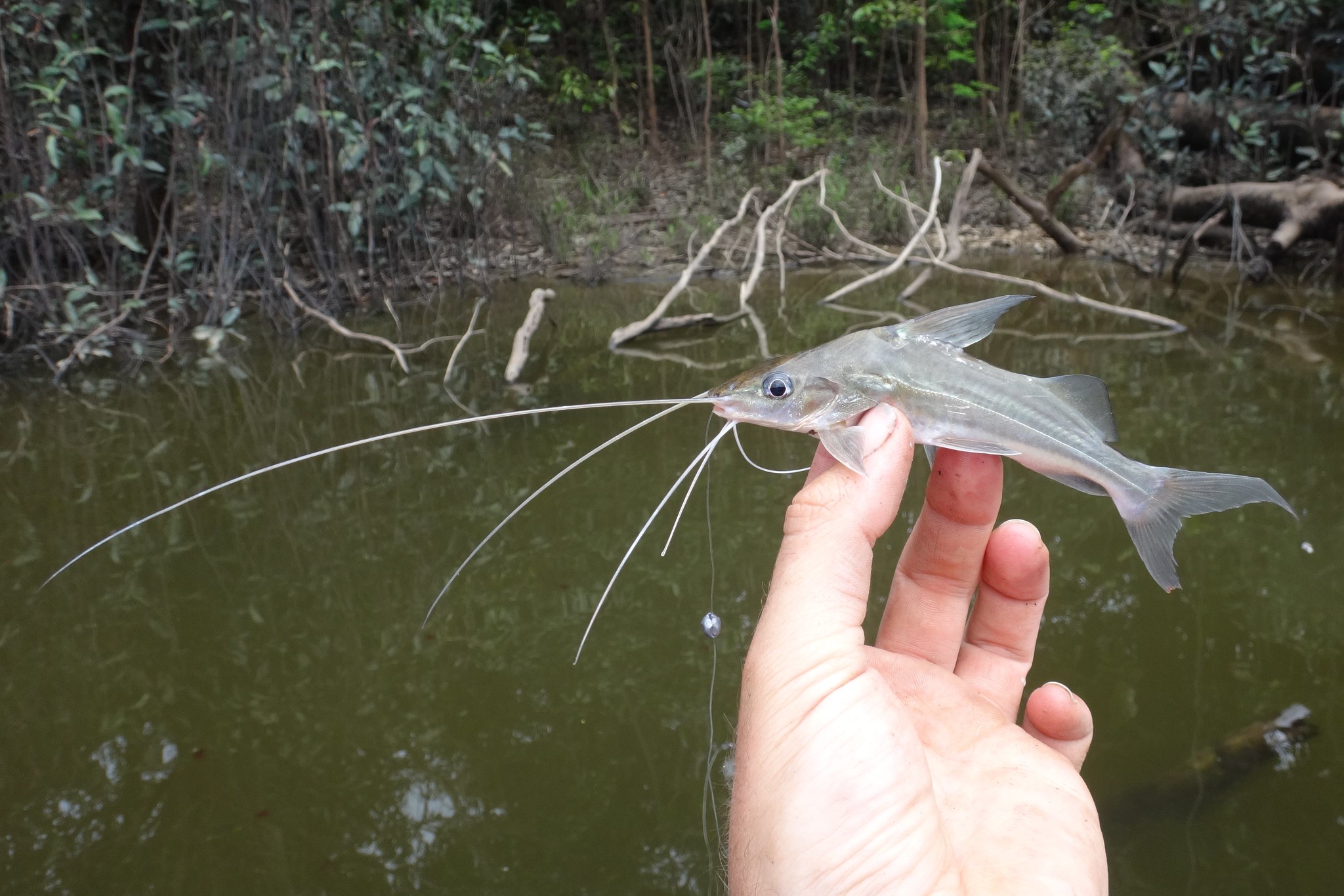
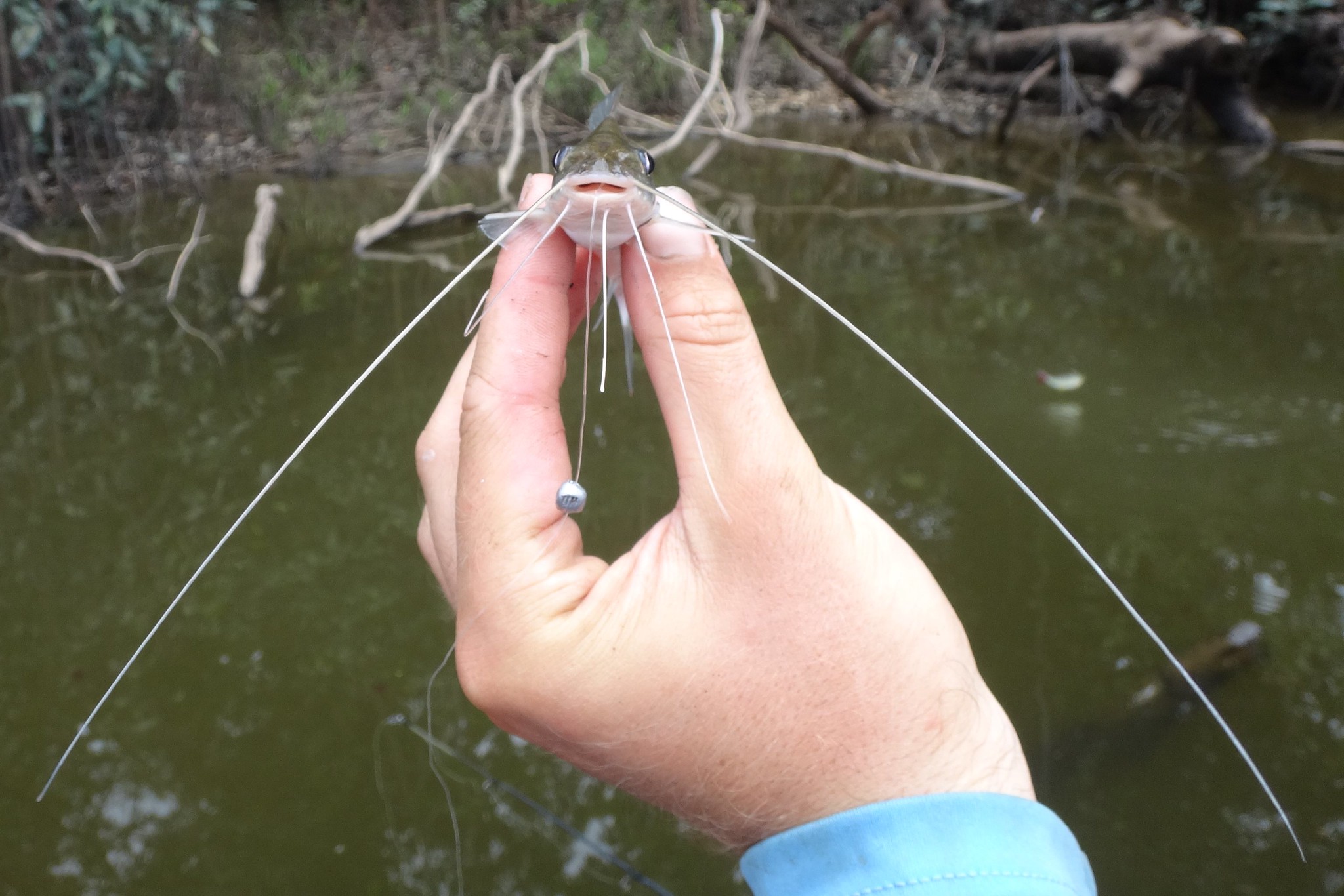
And the micro catfish were the same. We enjoyed a good laugh every time we saw those long whiskers!

Bloch's Catfish (Pimelodus blochii)


Seriously, how did evolution come up with this?


This lake had ravenous swarms of tucan fish. If you teased them with a small piece of cut bait, they would jump out of the water to try to grab it.


Red-Tailed Tucan Fish (Chalceus erythrurus)


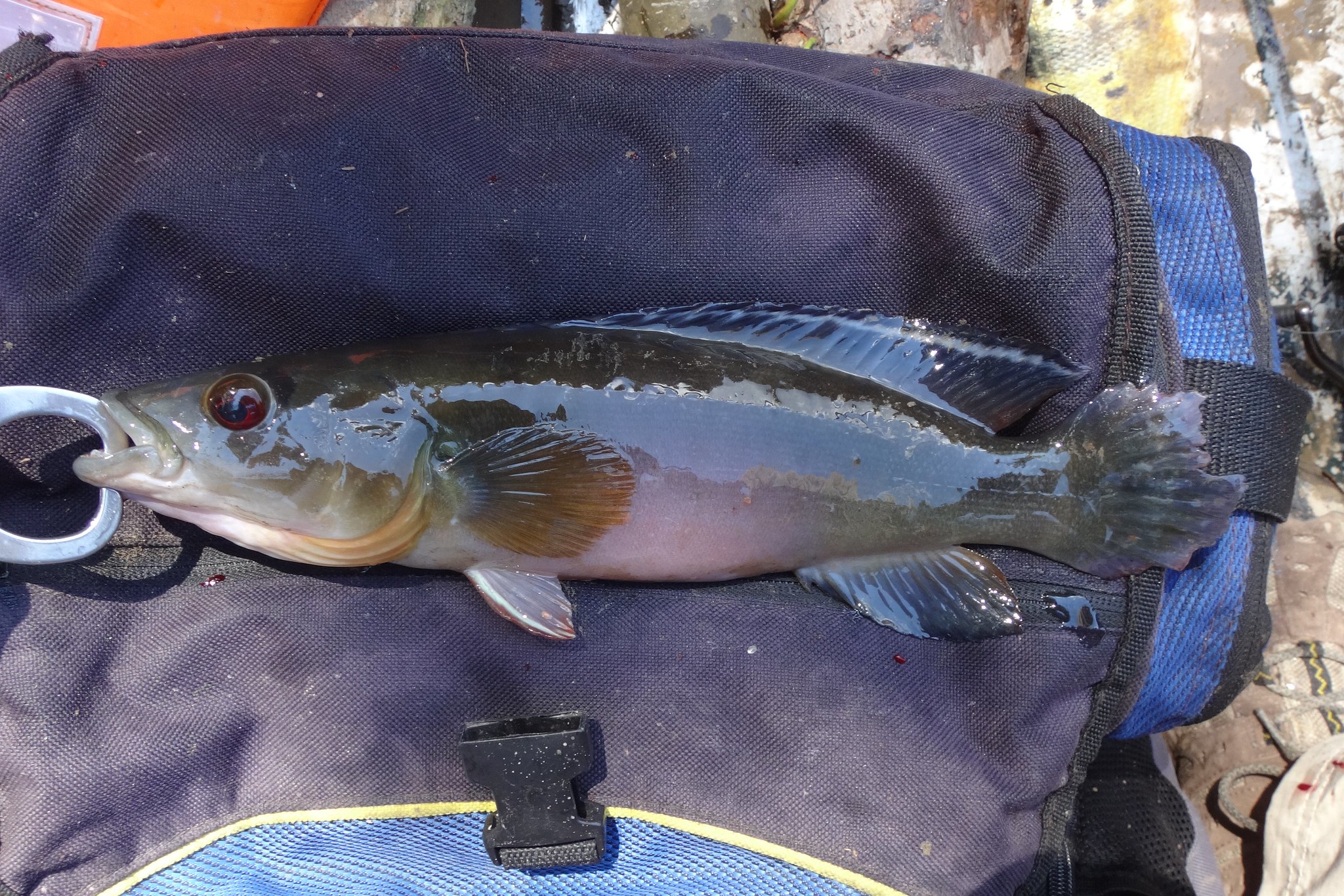
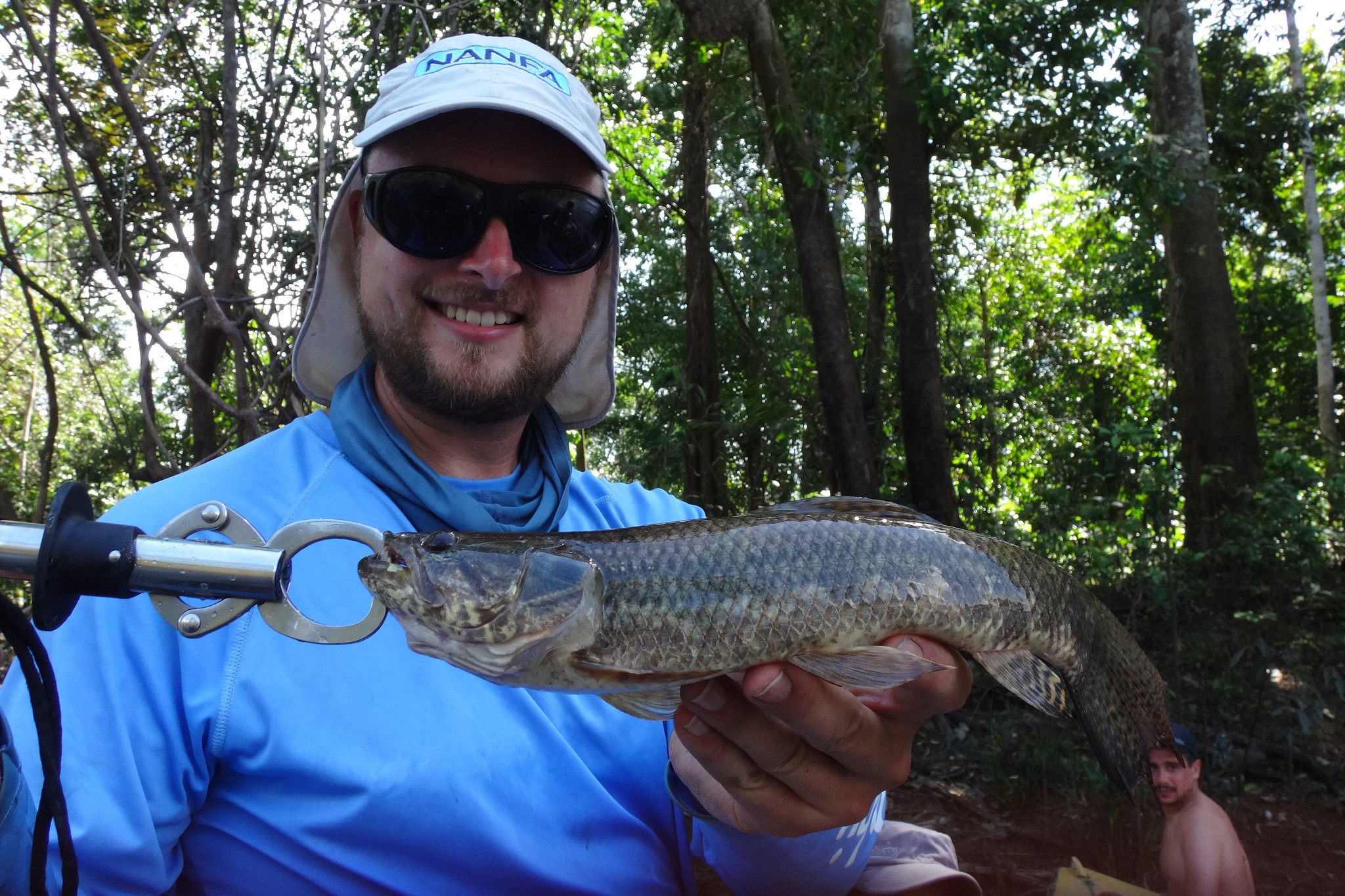
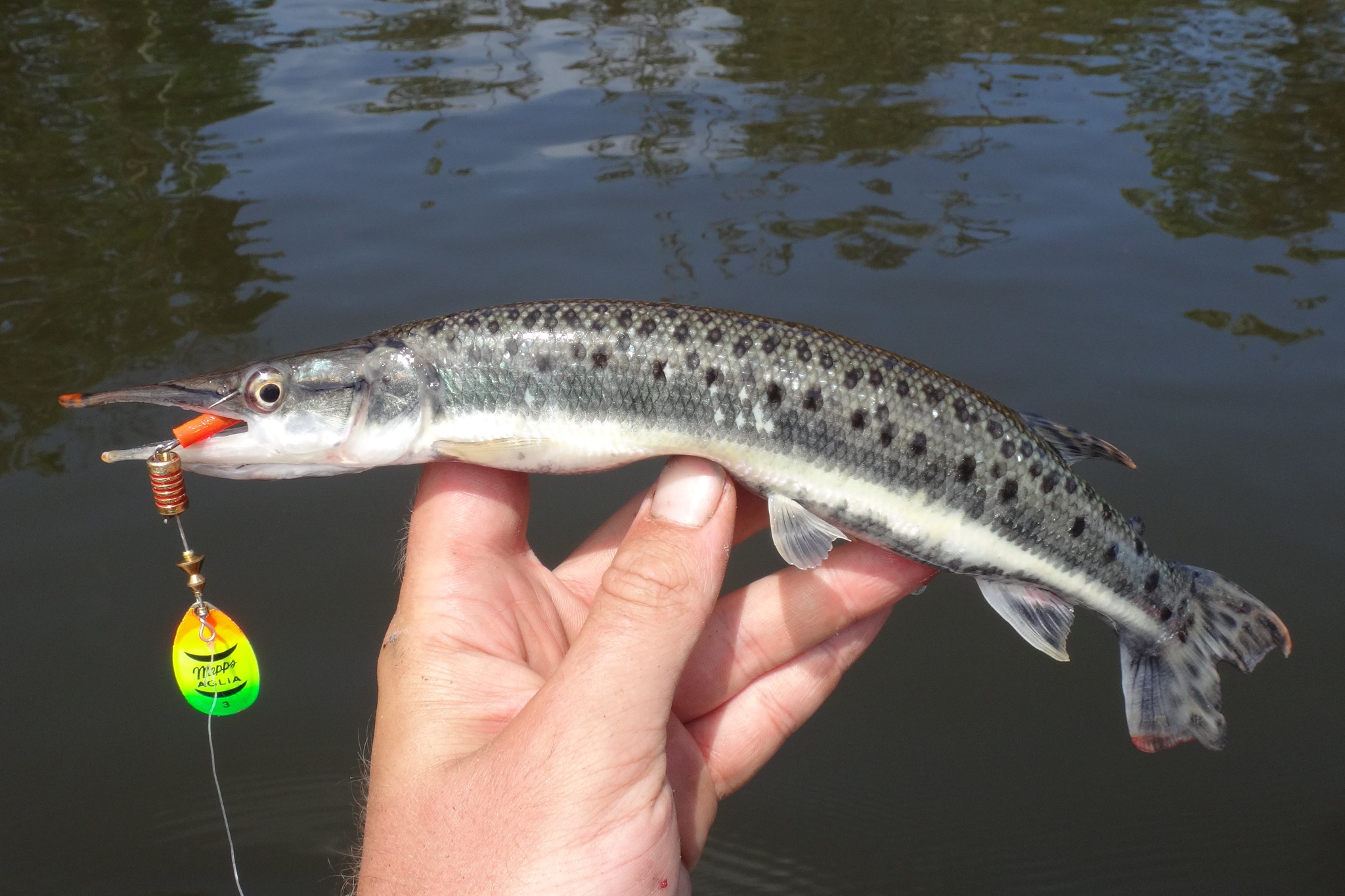
Microfishing didn't yield any new species, so it was back to lure fishing. I added trahira to my count for the day, but what I really wanted was the strange elongated fish that Ken caught. It looked like a cross between a freshwater gar and a saltwater needlefish.

Trahira (Hoplias malabaricus)


We circled around the lake and continued to see the strange gar-needlefish. They would follow my spinner near the surface, but I couldn't get them to commit. Finally, as were heading back to our meeting point, I felt my lure connect with one of them. Success! This pike-characin was one of the coolest species from the trip.

Spotted Pike-Characin (Boulengerella maculata) - new hook & line species #372


Anthony suggested we hike back to the river on foot so the canoes would have an easier time navigating the log-choked creek. It turned out to be a fun experience, and we saw a lot of interesting plants and wildlife along the path. Back at the mothership boat we fished for catfish while we waited for dinner. Sweet juicy grubs ended up being the hot bait. I caught three or four of these armored catfish using them.

Granulated Catfish (Pterodoras granulosus) - new hook & line species #373


These fish were extremely strong despite their limited range of motion. You absolutely did not want to get nailed by those pectoral spines or the scutes along their sides. The only safe way to handle them was to pinch the sides of their bony head and keep all the pointy stuff pointed away from you.


I also caught this long-whiskered catfish, which I believe is the same species as the smaller one caught in the lake. They look a little less ridiculous when they reach a larger size like this.

Bloch's Catfish (Pimelodus blochii)


We saw a lot of interesting micros at the end of our hike back from the lake. Most notably, there were some really cool hatchetfish near the surface of the water that we wanted to try for. So, before it got too dark, a few of us headed back up the creek a bit armed with our Tanago hooks. The hatchetfish were extremely hard to catch. I'll admit, I got pretty frustrated with them. However, they ended up being a blessing in disguise. Every time I would lose my patience with the hatchetfish, I would take a break and catch a few tetras to help me cool off. In doing so, I ended up catching five new species! The goldencrown tetras were especially handsome. My only regret is that all the photos were in low light because the sun was setting.

Redeye Tetra (Stethaprion erythrops) - new hook & line species #374


Bigeye Tetra (Moenkhausia megalops) - new hook & line species #375


Angled Sardina (Triportheus angulatus) - new hook & line species #376


Cotinho Tetra (Moenkhausia cotinho) - new hook & line species #377


Goldencrown Tetra (Aphyocharax alburnus) - new hook & line species #378


When it was too dark to microfish we came back to the river and set up for catfish again. We were excited to hear that Josh and Joy had caught multiple Amazon redtail catfish. This was one of the iconic species that we all hoped to add to our lists. Ken and I fished a promising eddy just upstream of the creek mouth. We waited, and we waited...


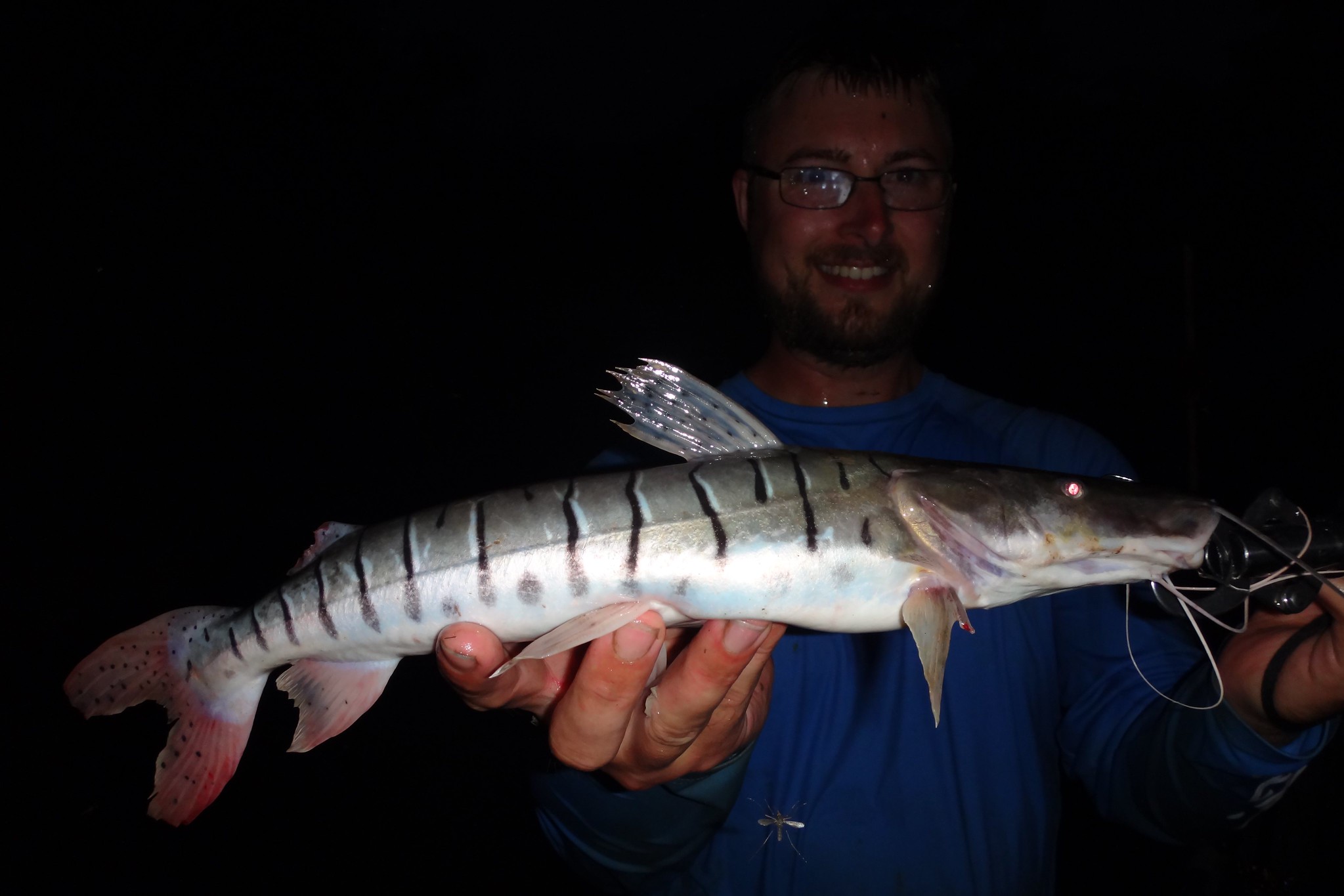
But the redtail catfish had moved on. However, I finally did get a bite, and it was a nice consolation prize, a barred sorubim, or tiger shovelnose catfish! Ken asked if I wanted a photo with it, but I said no - it was too small of a fish to pose with. Instead, I stood up and held the fish out away from my body and attempted to take the photo myself. I was having trouble getting the entire catfish in frame, so I extended my arm further and leaned back with the camera. This is when a bad thing happened.

My leaning backwards caused the boat to rock. I tried to cancel out the rocking by leaning back more. It didn't work. I felt the boat start to tip past the point of no return, and then I fell backwards into the pitch black water - head first mind you - with the catfish firmly gripped in one hand and my waterproof camera firmly gripped in the other. Luckily, or unluckily (I'm not sure which), my boot caught on the edge of the boat and prevented me from being swept downstream. I desperately needed to come up for air though, so I reached up to grab the edge of the boat with the hand holding the catfish. As I held on and got my breathing under control, I watched our guide frantically pointing at my leg asking me something. Through his hand motions we were able to translate his question as, "did the catfish sting you?". I said no, it didn't sting me, but my leg really hurt from banging the edge of the boat. Then I looked at my leg.

The catfish was stuck to the side of my leg, and one of its pectoral spines was buried deep in my calf muscle. This was not good.

Barred Sorubim (Pseudoplatystoma fasciatum) - new hook & line species #379

Sunday, August 7, 2016

Peruvian Amazon part 3 - peacock bass lake

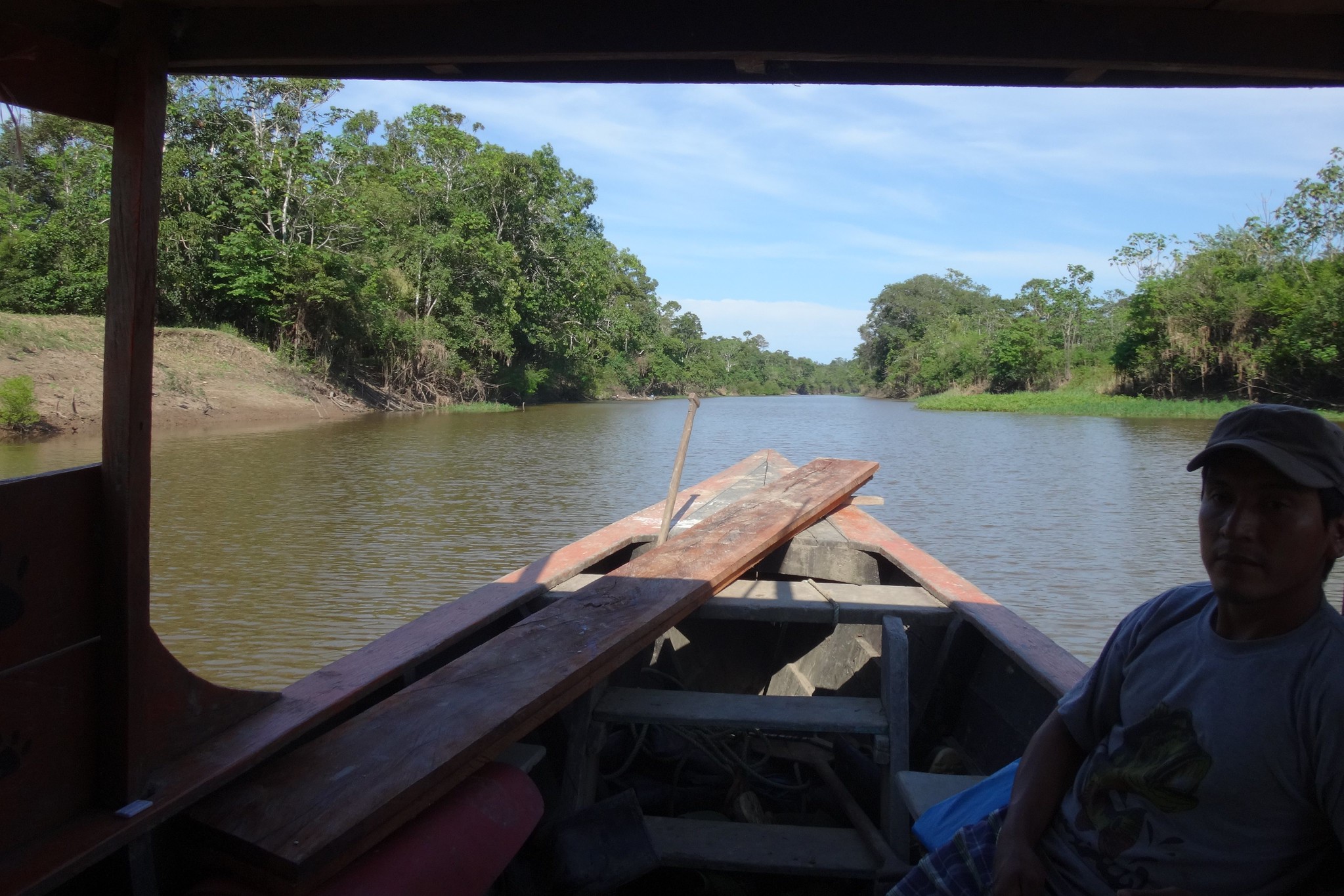
We woke up early on day 3 with plans to visit a secret peacock bass lake.  The lake was quite a few miles up the river, so it made sense to camp a few nights to give us plenty of time to fish.  It was still dark when the guides packed the boat with our camping gear (mosquito nets and sleeping pads), and we put together backpacks with what we would need for several days in the jungle.  With the promise of a big thermos of coffee on the boat, we loaded our gear and followed the creek out into the mainstem Amazon.

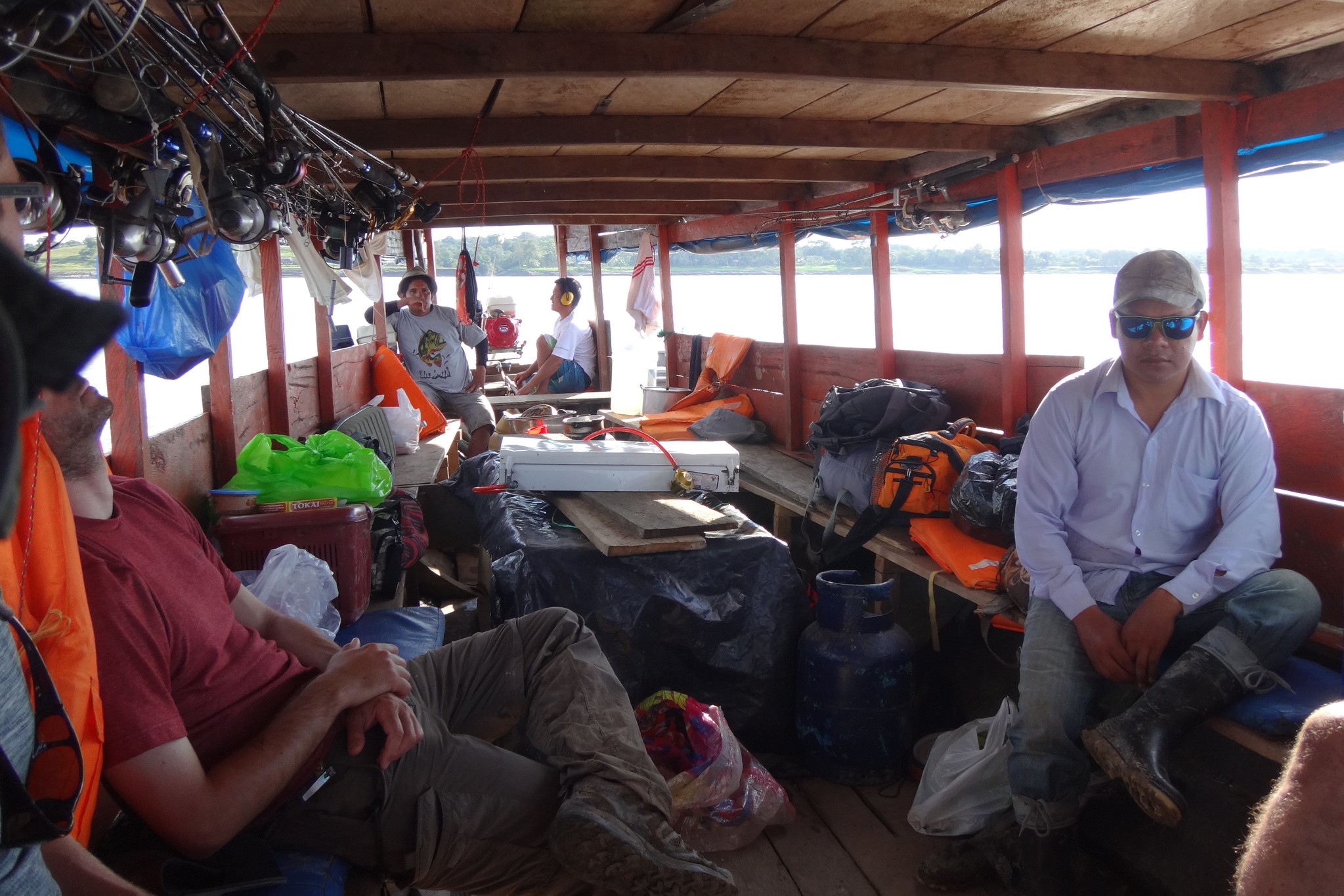
The boat we took wasn't fast like Otorongo's yellow speed boat, so we had plenty of time to kill.  Rojelio, one of the local guides, worked on the mosquito nets to make sure they were ready for the evening.


We certainly had plenty of gear.  Michael and George were frequently asleep whenever we traveled in the big boat.  They were the only two who didn't drink coffee, which probably explains how they could doze off so easily.


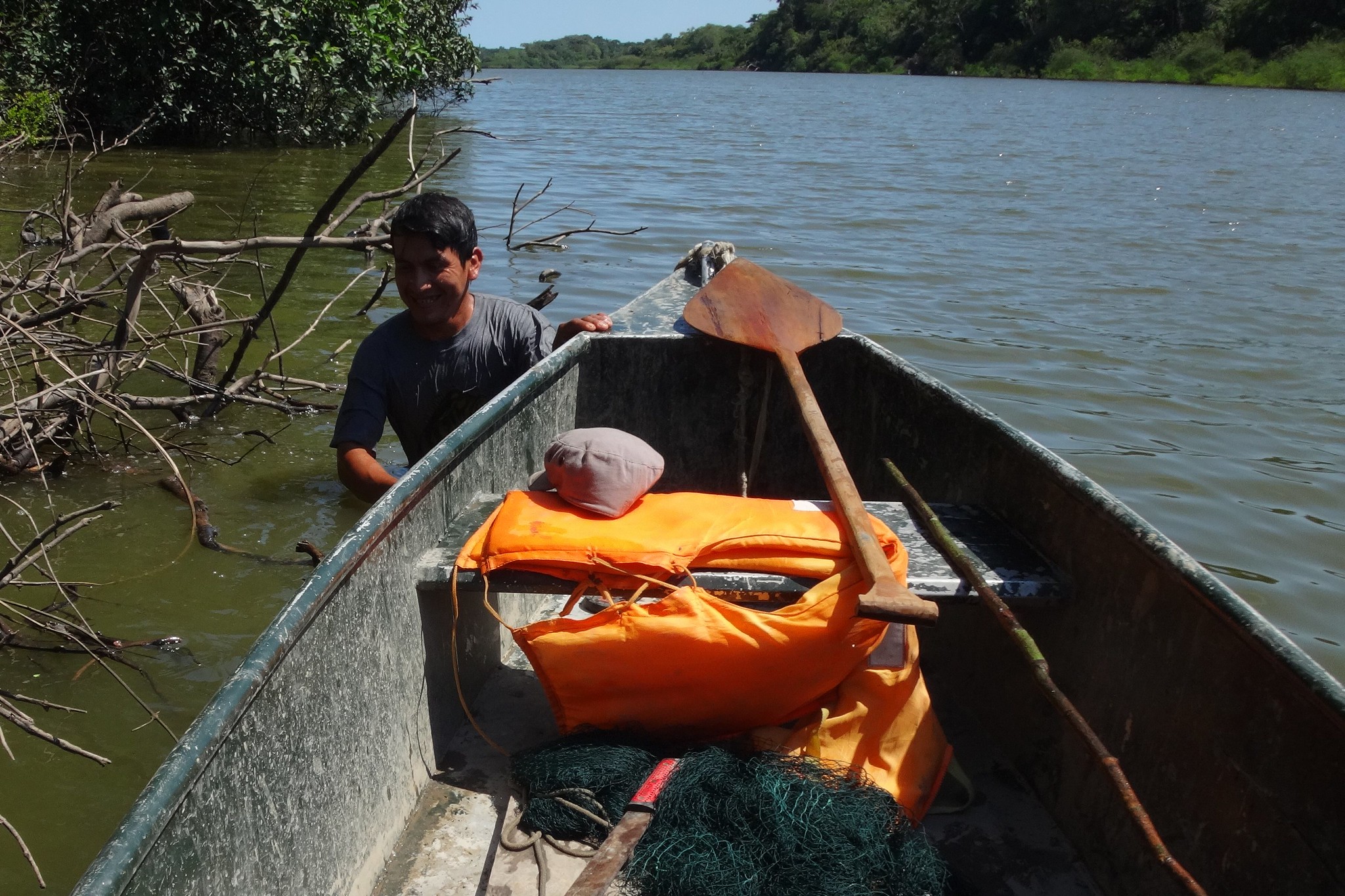
We motored up one of the Amazon's tributaries and tied off near the mouth of a small creek.  At this point we switched to the canoes that we had towed behind the big boat.  The creek was packed with fallen wood, and the going was tough.  We often had to hop out of the canoe so it could be pushed over a submerged log.


There was a large fallen tree blocking the entrance to the lake, so we had to wait in line as we went over one at a time.  While we waited I dropped a piece of bait over the side and caught my first fish of the day!

Trahira (Hoplias malabaricus) - new hook & line species #361


Check out those teeth!  We didn't catch any larger specimens, and honestly I'm not sure how much larger this particular species can get.  They're a close relative of the more famous wolf fish, which can definitely get much larger.


Finally, we made our way into the lake, and we were excited to finally cast our lures.  I tied on a chartreuse and orange rattletrap, threw it close to shore, and it got hit right away!  The peacock bass lake lived up to its name.

Monoculus Peacock Bass (Cichla monoculus) - new hook & line species #362


My next fish was a pike cichlid similar to the one I caught in Iquitos, but it was a different species.  The purple color on its belly really stood out.

Johanna Pike Cichlid (Crenicichla johanna) - new hook & line species #363


Peacock bass continued to hit our lures.  You'll notice most of the fish from this lake had their tails chewed up pretty badly - likely from piranhas or other fish with teeth.

Monoculus Peacock Bass (Cichla monoculus)


Casting lures close to structure near shore continued to produce the same two species.  Notice the creepy shirtless guy in the lower left below.  That's Anthony, the lodge owner!

Trahira (Hoplias malabaricus)


I took a photo of every peacock bass I caught, hoping there would be more than one species.  However, we concluded that we only caught C. monoculus.  This one had some pretty nice orange coloration on its underside.

Monoculus Peacock Bass (Cichla monoculus)


Michael was partnered up with me in the canoe.  We decided to switch tactics in hopes of catching different species.  Cut bait produced this brycon, which is a large species in the characin (tetra) family.

Red-Tailed Brycon (Brycon cephalus) - new hook & line species #364


We noticed a lot of small fish with red tails swimming near the surface.  They would attack our cut baits, but we knew we needed to switch to micro gear to hook them.  We put them off for a while, but eventually I downsized my hook so I could catch one.

Red-Tailed Tucan Fish (Chalceus erythrurus) - new hook & line species #365


Michael was struggling to set the hook with the tucan fish (they had really bony mouths), so I told him to watch what I was doing.  I popped my wrist pretty hard to set the hook, caught a fish, and was about to throw it back when Michael said, "Ben, I think that's a different species!"  I'm really glad he said something, because it turned out to be a different kind of tucan fish.  Thanks Michael!

Pointed Tucan Fish (Chalceus epakros) - new hook & line species #366


Around noon it began to rain, and for a while we continued to fish.  I caught this piranha on cut bait, but my camera lens had water on it, so the photo didn't turn out well.  After a while the rain wore us down, so we took a break on shore huddled under some large trees.
Red-Bellied Piranha (Pygocentrus nattereri)


The rain let up, and soon we were fishing again.  We had seen small cichlids that stayed close to submerged branches, so I switched back to a small hook.  The cichlids weren't hard to find.  They were shy, but a small piece of cut bait did the trick.

Wonderful Flag Cichlid (Mesonauta mirificus) - new hook & line species #367


I continued to fish the small piece of bait, and my next fish was a different species of brycon with a black stripe starting on its belly and ending on its tail.
Black-Finned Brycon (Brycon melanopterus) - new hook & line species #368


We needed to get back to the main boat before dark, so we convened at the mouth of the lake and began the journey back down the creek.  While we were waiting to go over the fallen tree, I caught one more species.  The locals called them mojarras, and we often used them as bait.

Silver Tetra (Tetragonopterus argenteus) - new hook & line species #369


Back at the base camp, we ate dinner and then fished the Amazon tributary for a bit before going to bed.  I didn't seem to be having very good luck with catfish, but I did manage to get one nice one before calling it a night.  This species of long-whiskered catfish migrates the full length of the Amazon to complete its life cycle.  Pretty amazing!

Piramutaba (Brachyplatystoma vaillantii) - new hook & line species #370


Piramutabas certainly do not look like our big river catfish.  They looked like ghosts with their pink eyes and white bodies.


We stayed the night on camp pads under mosquito nets.  It was pretty warm and the bugs were buzzing around, but we were tired from the long day and slept pretty well.